Catastrophic Roof Failure from High Winds: What Michigan Property Owners Need to Know
When severe weather hits, it rarely gives you time to prepare. And if you’re a commercial property owner or manager in Michigan, the past week has likely been a wake-up call. At Weather Shield Roofing Systems, we’ve been helping businesses for over 45 years, and we’ve seen firsthand how quickly high winds can turn a stable commercial roofing system into a major liability.
West Michigan was recently hit with intense spring storms that brought wind gusts between 40 and 60 mph, large hail, torrential rain, and widespread power outages affecting over 50,000 people. Just days later, a blizzard dumped over a foot of snow across Northern Michigan. These rapid weather swings don’t just stress your building. They expose every weakness in your commercial roofing system.
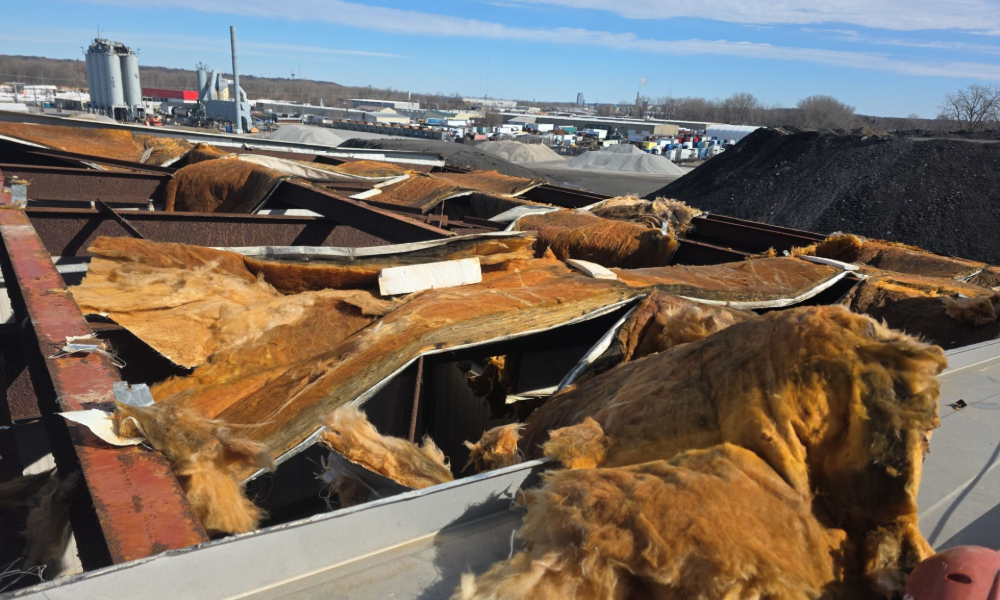
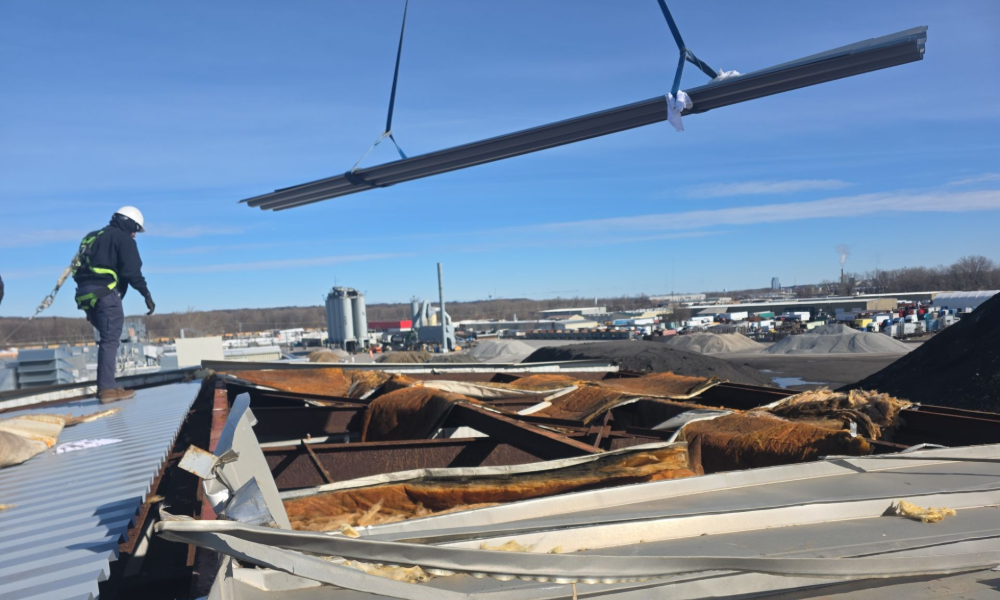
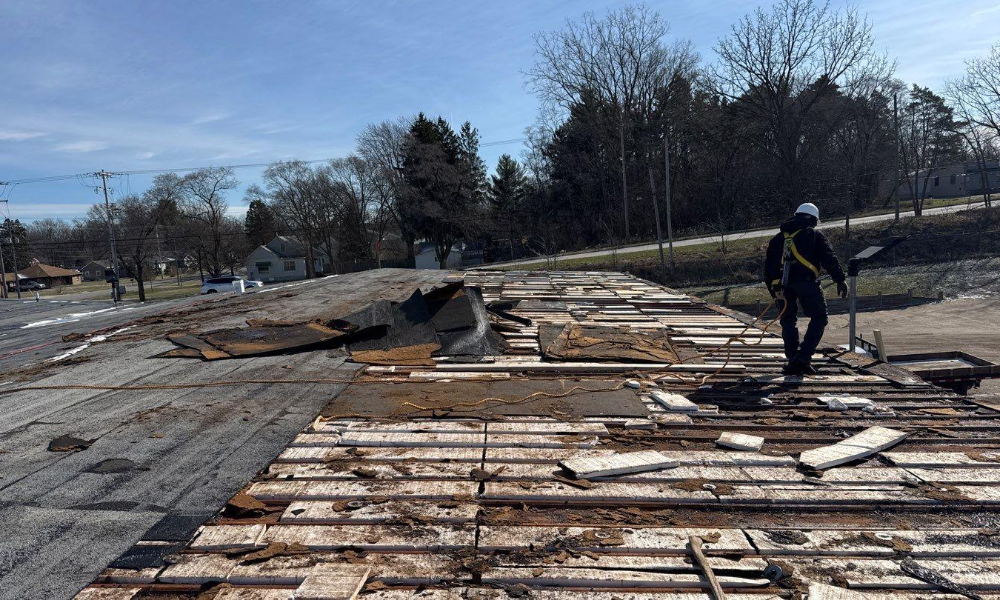
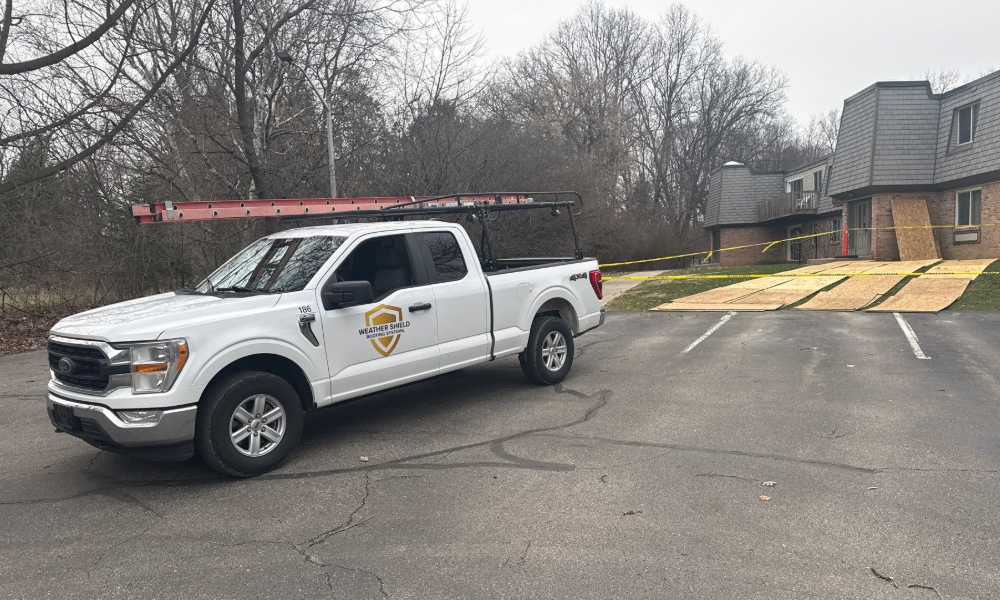
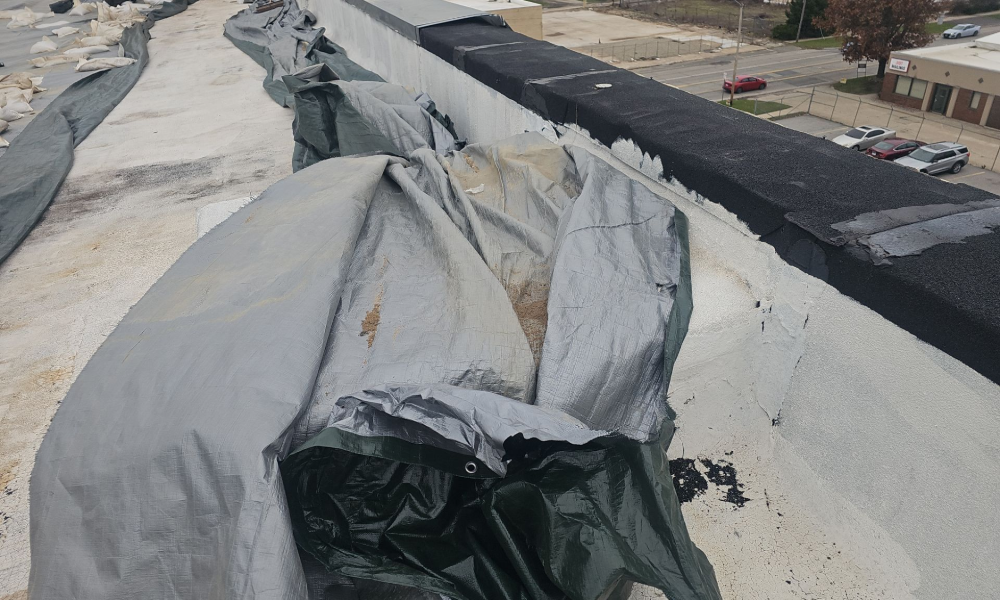
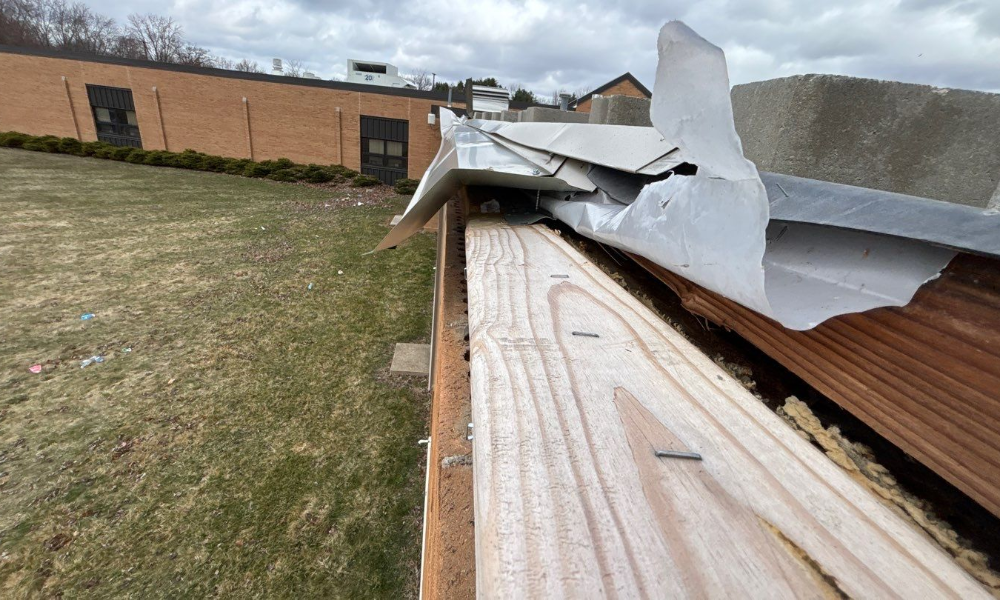
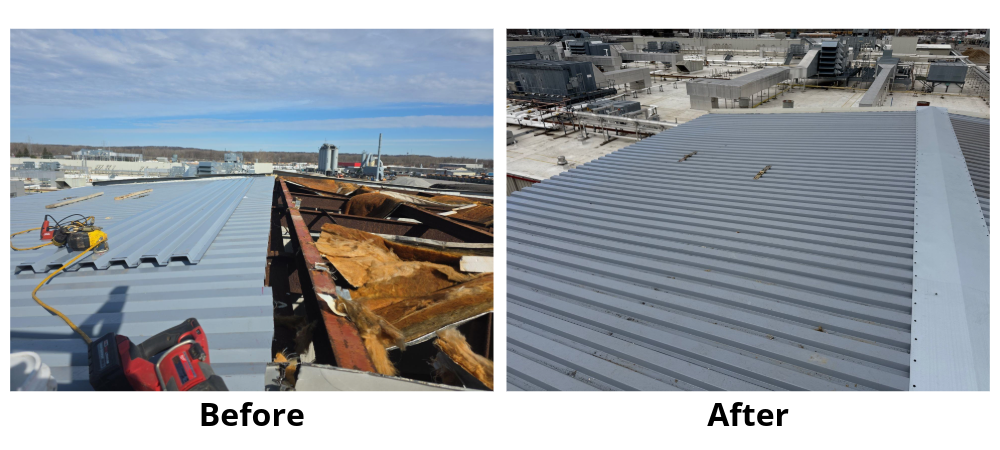
From our crews in the field, we’ve already seen catastrophic roof blow offs, emergency roof leaks, and extensive storm damage. If you’re wondering why high winds are so dangerous for flat commercial roofs, how failures happen, and what you can do to prevent it next time, let’s break it down clearly.
Why are high winds so dangerous for commercial flat roofs?
High winds don’t just blow across your building. They create powerful uplift forces that actively try to pull your roof system apart.
Flat and low slope commercial roofing systems are especially vulnerable because of how wind behaves across large, open surfaces. As wind moves over your roof, it creates suction, similar to how airplane wings generate lift. This is called wind uplift, and it can be incredibly destructive.
Here is why this matters for your roof:
- Edges and corners take the most pressure
Wind speeds increase at roof edges and corners, making these areas the most likely starting point for failure.
- Large surface area equals more exposure
Commercial roofs are wide and flat, giving wind more opportunity to grab onto weak points.
- Membrane systems can act like a sail
Once wind gets underneath a membrane, it can peel it back rapidly, just like opening a parachute.
- Pressure changes during storms make things worse
When storms include rapid pressure drops, like those seen in Michigan’s recent system, uplift forces increase even more.
In short, your roof is not just sitting there during a windstorm. It is actively being pulled upward.
How do commercial roofs fail during high wind events?
Catastrophic roof failure rarely happens all at once. It usually starts small and escalates quickly.
What does a typical failure sequence look like?
- Weak point is exposed
This could be loose flashing, aging materials, poor installation, or lack of roof maintenance. Wind finds the weakest link first. - Wind gets underneath the system
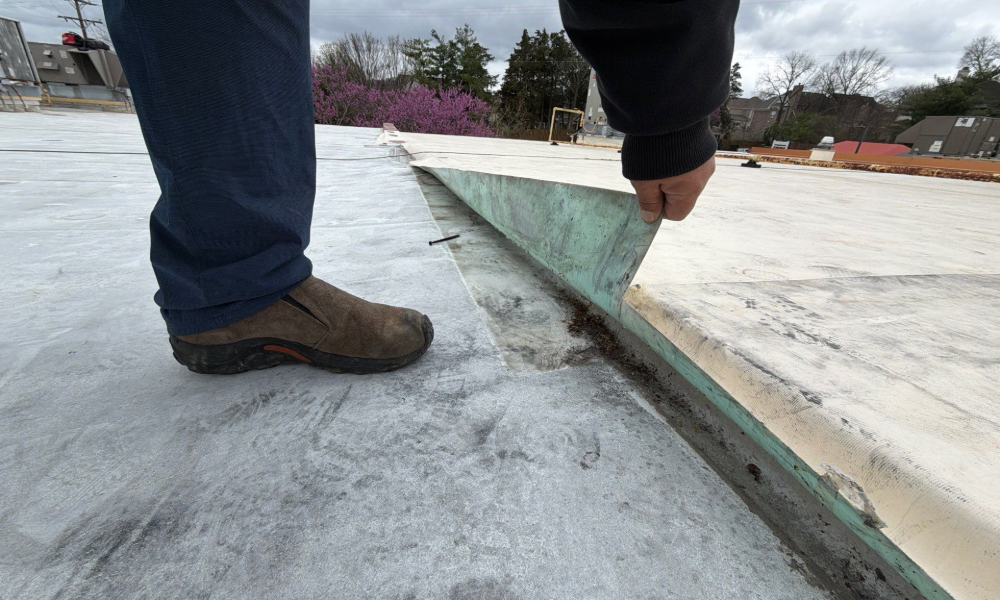
Once wind breaches thesurface, it creates internal pressure between the layers of the roof. - Progressive peeling begins
The membrane or roofing material begins to lift and separate. This often starts at the edges or around penetrations like HVAC units. - System-wide failure occurs
Once a section lifts, surrounding areas are compromised. This is when full roofblow offs happen. - Water intrusion immediately follows
With Michigan’s recent storms bringing heavy rain and even hail, once the roof is open, water pours in quickly, leading to interior damage, equipment loss, and business disruption.

Why did Michigan’s recent storms cause so much roof damage?
The recent weather event was not just about wind. It was the combination of multiple stress factors hitting at once:
- Wind gusts up to 60 mph created strong uplift forces
- Hail up to two inches weakened roofing materials
- Heavy rain exploited any openings instantly
- Rapid temperature swings stressed roofing systems further
- Snow accumulation added weight after wind damage occurred
This type of “stacked weather event” is particularly dangerous because your roof doesn’t get time to recover between impacts.
What are the warning signs your roof may fail in high winds?
Many catastrophic failures could be prevented if early warning signs are addressed.
Look for these red flags during routine roof inspections:
- Loose or detached flashing
- Bubbling or billowing in the membrane
- Visible seams separating
- Water ponding areas
- Previous patchwork repairs
- Aging roof systems nearing the end of their roof lifespan
If your roof already has vulnerabilities, high winds will find them.
What preventative steps can you take before the next major wind event?
Prevention is always more cost effective than emergency roof repair. Here is what you can do right now to reduce your risk.
Schedule a professional roof inspection
A detailed commercial roofing inspection identifies weak points before storms do. This is one of the most important steps in roof damage prevention.
Reinforce edges and critical areas
Since edges and corners are most vulnerable, reinforcing these areas can significantly reduce uplift risk.
Address small issues immediately
Minor roof leaks or loose materials might seem manageable, but during a storm, they can become catastrophic failures.
Implement a roof maintenance program
Ongoing maintenance, like Weather Shield’s Max Life™ Roof Care program, helps extend roof lifespan and ensures your system is always storm ready.
Ensure proper drainage
Standing water adds weight and stress. With Michigan’s recent torrential rainfall, poor drainage can quickly worsen structural issues.
Review your roof’s wind rating
Not all roofing systems are designed to handle the same wind speeds. If your building is exposed or in a high-risk area, upgrades may be necessary for better roof investment protection.
What should you do after a high wind event?
If your building experiences strong winds, do not assume everything is fine just because there is no visible interior damage.
Take these steps:
- Schedule a post-storm roof inspection immediately
- Document any visible damage for insurance purposes
- Address emergency roof leaks quickly
- Restrict access to damaged areas for safety
- Work with experienced commercial roofing professionals for repairs
How can you protect your commercial roof investment long term?
Think of your roof as a system that needs consistent attention, not a one-time installation.
The most successful property owners focus on:
- Proactive roof maintenance
- Routine roof inspections
- Budget planning for repairs and replacement
- Partnering with experienced commercial roofing experts
These steps not only prevent catastrophic failures but also lead to significant roof cost savings over time.
Michigan weather is unpredictable, and as we’ve just seen, storms can escalate quickly from high winds to hail to snow within days. Your commercial roof is your building’s first line of defense, and when it fails, everything underneath is at risk.
At Weather Shield Roofing Systems, we are committed to helping you stay ahead of storm damage with honest guidance, proactive solutions, and rapid emergency response when you need it most. If you have concerns about your roof after recent storms or want to prepare before the next one hits, reach out to our team here!


Ben Cornell
Account Executive
Ben Cornell is a lifelong West Michigan resident who began his career in commercial roofing in 2006—originally just looking for a summer job to help pay for college. What started as temporary work quickly turned into a lasting career as he steadily advanced through roles in estimating, project management, service leadership, and sales. Today, he serves as an Account Executive at Weather Shield Roofing Systems, where he continues to thrive in a company that has supported his professional growth every step of the way. Ben’s long-standing commitment to the commercial roofing industry is fueled by his passion for helping clients and the strong team culture at Weather Shield.