
Is Your Tennessee Commercial Roof Prepared for This Weekend’s Winter Storm?
With a major winter storm set to sweep across the United States this weekend, bringing snow, ice, freezing rain, and dangerously cold temperatures to more than 200 million Americans, Tennessee — including the Nashville area — is squarely in the crosshairs of this powerful system.
That means one key question every business owner, property manager, and facility director should be asking right now is this: Is your Tennessee commercial roof prepared to handle what this storm could throw at it?
Here’s what you need to know — and what to check — before the storm arrives.
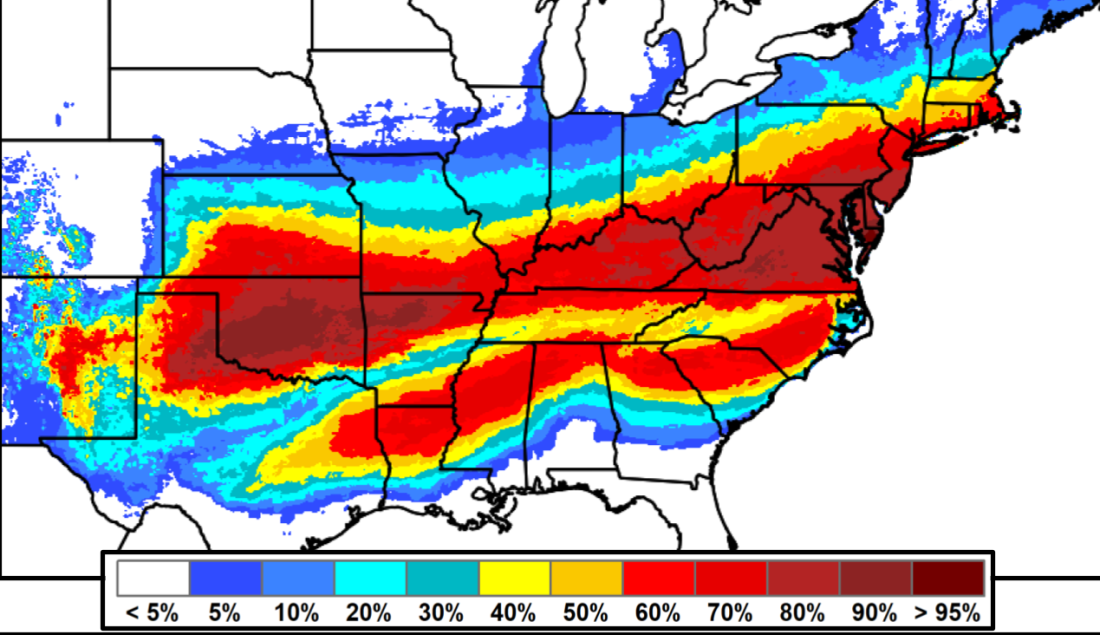
What This Weekend’s Storm Means for Nashville
Mid‑Tennessee is expected to see a mix of snow, freezing rain, sleet, and dangerously cold conditions over the weekend. Models show the storm will likely hit Middle Tennessee starting late Friday and continue through Sunday, with temperatures staying below freezing for extended periods.
- Snow and ice accumulation— Ice is a major concern in Middle Tennessee, especially if the storm track shifts a bit north. That ice can weigh down roofing materials and freeze water in places it shouldn’t.
- Freezing rain and sleet— These can glaze roofs and create slippery surfaces that increase loading, worsen drainage, and escalate potential damage.
- Extended cold— Low temperatures through the weekend and into early next week can impact the integrity of roofing materials if they’re already compromised.
It’s far more than just a light winter event — this storm’s breadth and severity mean you should treat your commercial roof like critical infrastructure. If trouble hits, repairs could become urgent and costly.
The Risks to Tennessee Commercial Roofs in Winter Weather
Whether your building has a flat roof, a metal roof, built‑up roofing, or another style, winter storms can expose weaknesses:
- Ice Dams and Ponding Water
Ice can block roof drains, gutters, and scuppers, leading to standing water or ice dams. This added weight can stress the roof deck and membrane.
- Snow Load Stress
Moderate to heavy snow accumulations can add significant load. Especially where drifting occurs (near rooftop equipment, parapet walls, or in corners), that weight can expedite wear or even structural issues.
- Freeze–Thaw Damage
When snow melts slightly during the day and refreezes at night, the freeze–thaw cycle can crack membranes, flashings, and sealants, creating paths for leaks.
- Ice Accumulation on Penetrations
Vents, HVAC curbs, skylights, and rooftop units can become ice anchors, increasing leakage potential around those penetrations.
- Wind and Debris
Winter storms can bring gusty winds as fronts collide. Shingles, flashing edges, or loose roofing materials can be lifted or damaged.
Quick Roof Readiness Checklist for Nashville Businesses
Here’s how to proactively assess your commercial roof before the storm hits:
✔ Inspect Drains, Gutters, and Scuppers
Make sure all rooftop drainage points are clear. Ice won’t form where water can freely run off.
✔ Check for Existing Problems
Any history of leaks, aging membranes, or soft spots in the roof deck? If so, act now — not after the storm.
✔ Verify Flashing and Penetrations
Look where the roof meets walls, skylights, HVAC units, and pipes. These are common leak points under stress.
✔ Evaluate Slope and Ponding Areas
Flat or low‑slope roofs need extra attention. Water that sits won’t drain quickly once temperatures dip.
✔ Secure Loose Materials
Loose flashing, membrane edges, or rooftop equipment can turn into costly damage if ice or wind gets under them.
When You Should Call a Professional
If you notice any of the following during a pre‑storm check:
Soft or “spongy” spots on the roof surface
Cracked, blistered, torn, or wrinkling roofing material
Flashing that’s lifting or missing
Roof drains that are clogged or partly blocked
Previous leak stains on ceilings, walls, or insulation
…then it’s time to get a qualified commercial roofing contractor on site before the storm intensifies.
Waiting until after snow or ice starts falling significantly increases the risk of water damage inside your building. Emergency roof repair in cold conditions is far more expensive and logistically tricky than addressing issues before the storm.
Don’t Forget Roof Safety During and After the Storm
If your facility does get snow or ice accumulation:
❄ Avoid walking on icy roofs — this is extremely hazardous.
❄ Use roof‑safe snow removal methods — metal roofs and membranes can be damaged by shovels or power tools.
❄ Check for leaks early — interior signs like dripping water, stains, or bulging ceilings require immediate attention.
When roofs fail in cold weather, damage spreads fast, affecting insulation, HVAC systems, ceilings, and even your building’s contents.
Weather Shield’s Commitment to Tennessee Businesses
At Weather Shield Roofing Systems, we’ve been helping business owners, property managers, and facility directors protect their investments for over 40 years — including through tough Michigan winters, Southern ice storms, and Mid‑South winter events just like this one.
Your commercial roof is one of your most important line items in protecting people and revenue. That’s why preparation matters now more than ever with this weekend’s storm rolling in.
If you’re unsure about your roof’s condition, or you’ve already noticed signs of wear, please don’t wait. A quick professional inspection now could save tens of thousands in repairs later.
You can reach out for assessment or assistance here:
https://weathershieldusa.com/contact-us/
We’re here to help you weather the storm.

Ken McNulty
Sales Executive
Ken McNulty brings over 30 years of hands-on experience in the commercial roofing industry, starting on a crew and eventually owning Morrow Roofing from 1991 to 2019. Now a Sales Executive at Weather Shield Roofing Systems, he continues to deliver tailored roofing solutions—most recently expanding the company’s reach into the Nashville, Tennessee market.