
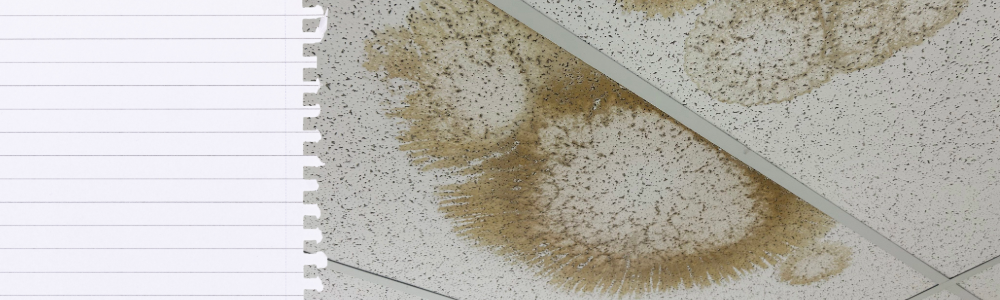
School Roof Repair: How Can Schools Stop Roof Leaks From Disrupting Classes?
A leaking school roof can quickly become more than a maintenance problem. Water dripping into a classroom can interrupt lessons, damage ceiling tiles, create slippery floors, harm equipment, and force staff to move students to another part of the building. If you are responsible for a school facility, you may be wondering how school roof repair can stop the current leak and, more importantly, prevent future roof leaks. For the last 45+ years, we’ve been a trusted roofing partner for multiple school districts, and we know how frustrating recurring leaks can be.
The good news is that many school roof leaks can be prevented. The key is finding the real source of the problem, making the right repair, and maintaining the roof before small issues turn into disruptive emergencies.
Why Do School Roofs Leak?
School roofs can leak for many of the same reasons as other commercial roofing systems, but schools often have a few added challenges.
A school building may have multiple roof sections installed at different times. There may also be HVAC units, vents, drains, skylights, pipes, and other equipment penetrating the roof. Every penetration or transition can become a potential trouble spot.
Common causes of school roof leaks include:
- Damaged or aging roofing membrane
- Cracked seams and flashing
- Clogged roof drains
- Ponding or standing water
- Damage around HVAC equipment
- Loose or damaged roof penetrations
- Storm, wind, or hail damage
- Previous repairs that have failed
- Normal wear caused by age and weather
- Foot traffic from contractors and maintenance crews
Sometimes the location of the water inside the school is not directly below the source of the roof leak. Water can travel along insulation, decking, structural components, or other materials before becoming visible.
That is one reason professional roof inspections are so important. Simply patching the area above a ceiling stain may not solve the actual problem.
How Can a Roof Leak Disrupt a School?
Even a small roof leak can cause a surprisingly large disruption.
Imagine a leak develops over a classroom during a heavy rainstorm. Staff members may need to place buckets on the floor, move desks, protect computers, and possibly relocate students. Custodial teams have to respond while teachers are trying to continue the school day.
If water reaches electrical equipment, insulation, flooring, books, computers, or other building materials, the situation can become more complicated and expensive.
A roof leak can also affect areas beyond classrooms, including gymnasiums, cafeterias, libraries, offices, hallways, mechanical rooms, and storage spaces.
This is why school roof repairs should not focus only on stopping visible water. The better goal is to understand why the leak occurred and what can be done to reduce the chance of another one.
What Should a School Do When the Roof Starts Leaking?
When water enters the building, protecting students, staff, and property should come first. Keep people away from slippery floors, wet ceiling materials, and areas where water may be near electrical systems.
Once the immediate indoor area is managed, contact a qualified commercial roofing contractor to inspect the roof.
A good roof leak investigation should answer several questions:
- Where is the water actually entering the roofing system?
- What caused the failure?
- Is the problem isolated or part of a larger roofing issue?
- Can the roof be repaired, or is more extensive work needed?
- What can be done to prevent the leak from returning?
These questions matter because repeatedly repairing symptoms can become expensive. Finding and addressing the cause gives the school a better chance of achieving long-term roof cost savings.
Can School Roof Repairs Prevent Future Leaks?
Yes, but a repair works best when it is part of a larger roof maintenance strategy.
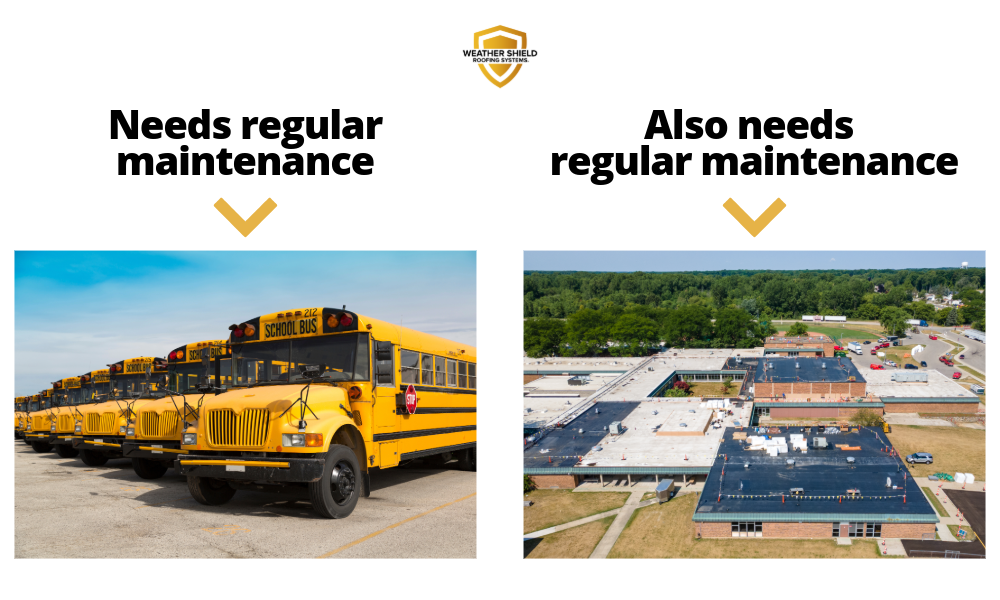
Think of it like maintaining a school bus. Fixing a flat tire gets the bus moving again, but regular inspections and maintenance help prevent future breakdowns.
A commercial roof works in a similar way.
After repairing a leak, the school should consider inspecting the rest of the roof for developing problems. A small opening in flashing, a clogged drain, or an aging seam might not be leaking today, but it could become the next emergency during a major storm.
Preventive roof maintenance allows schools to address these issues earlier, when repairs are often simpler and less disruptive.
How Often Should a School Roof Be Inspected?
A school roof should generally be inspected on a regular schedule and after significant weather events.
The right inspection schedule depends on the roof’s age, condition, roofing material, previous leak history, and surrounding environment.
Regular roof inspections can help identify conditions such as deteriorating seams, drainage problems, punctures, damaged flashing, loose materials, and wear around rooftop equipment.
Schools should also consider an inspection after severe storms or when contractors have been working on the roof.
HVAC technicians, electricians, and other trades sometimes need roof access. Tools, equipment, or repeated foot traffic can accidentally damage a commercial roofing membrane.
Finding that damage early can prevent a minor issue from becoming a leak during the next rainfall.
Why Do Some School Roof Leaks Keep Coming Back?
Few maintenance problems are more frustrating than seeing a familiar ceiling tile become wet every time it rains.
Recurring roof leaks can happen when the original repair addressed the wrong location or only treated the visible symptom.
For example, water may appear in a classroom even though it entered the roofing system several feet away. If someone patches the roof directly above the ceiling stain, the actual opening may remain untouched.
Recurring leaks can also indicate broader deterioration.
If several seams, penetrations, or sections of membrane are reaching the end of their useful life, repairing one location at a time may eventually become inefficient.
A thorough commercial roof inspection helps determine whether an isolated repair makes sense or whether the school should consider a broader restoration, maintenance, or replacement strategy.
Should a School Repair or Replace a Leaking Roof?
A leaking roof does not automatically mean the school needs a new roof.
In many cases, commercial roof repairs can address the problem and extend the roof lifespan. That can be especially valuable for schools working within strict maintenance and capital improvement budgets.
However, replacement may make more financial sense when a roof has widespread deterioration, extensive moisture beneath the roofing system, repeated failures, or other serious problems.
The important part is getting an accurate assessment.
School administrators and facility managers should ask their roofing contractor to explain what was found, what can reasonably be repaired, how long the repair is expected to help, and whether there are other areas likely to cause problems.
A trustworthy roofing contractor should help you understand your options instead of automatically recommending the most expensive one.
How Can Preventive Roof Maintenance Save Schools Money?
Emergency roof repair usually happens at the worst possible time.
It might occur during a thunderstorm, in the middle of the school day, or just before an important event. Emergency situations can also create secondary costs from interior cleanup, damaged materials, staff time, and disrupted building operations.
Preventive roof maintenance changes the approach from reacting to problems to finding them early.
For example, imagine an inspection discovers deteriorated flashing around a rooftop HVAC unit. Repairing that flashing before it leaks may be a relatively straightforward maintenance project.
If nobody notices the problem until water enters the building, the school could be dealing with roof repair plus damaged insulation, ceiling tiles, flooring, or classroom materials.
That is where proactive roof maintenance can provide meaningful roof cost savings and better roof investment protection.
What Should Schools Look for in a Commercial Roofing Partner?
School facility managers need more than someone who can apply a patch.
Look for a commercial roofing company that documents roof conditions, explains why leaks are occurring, recommends repairs based on the roof’s actual condition, and helps develop a long-term maintenance strategy.
You should be able to understand what is happening on your roof without needing to become a roofing expert yourself.
At Weather Shield Roofing Systems™, our Max Life™ Roof Care approach focuses on helping school districts, school boards, and facility managers get as much useful service life as reasonably possible from their commercial roofing systems. That means identifying problems early, prioritizing repairs, tracking roof conditions, and helping customers make informed decisions about their roofing investments.
For schools, that kind of planning can be particularly valuable because maintenance work often needs to fit around school schedules, budgets, summer projects, and other facility priorities.
How Can Schools Prevent the Next Roof Leak?
The best time to think about the next leak is before it happens.
Start by keeping accurate records of previous leaks and repairs. Schedule regular roof inspections. Keep drains and drainage areas clear. Limit unnecessary roof traffic. Inspect the roof after severe weather and rooftop construction work. Most importantly, address small roofing problems before they have an opportunity to grow.
You cannot prevent every roof problem or every severe-weather event. But proactive commercial roof maintenance can significantly reduce surprises and give your facilities team more control over when and how roofing work is completed.
If your school is already dealing with a roof leak, the immediate priority is stopping the water. After that, the conversation should shift toward preventing the next leak.
We have spent over 45 years helping schools make informed, cost-efficient decisions about their commercial roofs. Our goal is not simply to fix today’s leak. We want to help you understand your roof, protect your investment, and reduce preventable roofing emergencies.
If recurring school roof leaks are disrupting classrooms or creating maintenance headaches, contact our team to discuss your roof and the steps you can take to prevent future leaks!

Andrew Schmidt
Account Executive
Andrew Schmidt brings 25 years of leadership experience in education—including as Deputy Superintendent for Flushing Schools—to his role at Weather Shield Roofing Systems. With a strong background in facilities management, he understands the importance of reliable, well-maintained roofs. Now, he helps building owners find practical, cost-effective roofing solutions, focusing on extending roof life and supporting Weather Shield’s mission: We Stop Roof Leaks!