

Top Qualities of a Reliable Roofing Contractor
Your roof is your building’s first line of defense against rain, wind, snow, heat, and everything else Mother Nature throws at it.
That makes roof maintenance, repair, or replacement one of the most important investments you will make in your commercial property. Choose the right roofing contractor, and you can extend the life of your roof, reduce surprise expenses, and protect the people and equipment inside your building.
Choose the wrong one, and things can get expensive in a hurry.
At Weather Shield Roofing Systems™, we have spent more than 45 years helping property managers, investors, and building owners solve commercial roofing problems. During that time, we have seen excellent roofing work, poor roofing work, and repairs that appeared to involve little more than a bucket of coating and a positive attitude.
If you are researching commercial roofing before making a decision, our Commercial Roofing Learning Center includes additional resources designed to help building owners and property managers better understand their roofing options.
So, how do you identify a reliable roofing contractor before signing a contract?
Look for proper credentials, proven experience, transparent inspections, clear warranties, strong communication, and a willingness to stand behind the work.
Is the Roofing Contractor Properly Licensed and Insured?
A dependable roofing contractor operates above board. That means the company should carry the licenses and insurance required to perform roofing work in your state or municipality.
Licensing requirements vary by location, so ask the contractor for a license number and verify it through the appropriate state or local licensing agency. Do not simply take someone’s word for it.
Insurance is equally important.
A professional commercial roofing contractor should be able to provide proof of:
- General liability insurance
- Workers’ compensation insurance
- Any additional coverage required for your property or project
General liability insurance helps protect your business if the contractor accidentally damages your building or property. Workers’ compensation coverage helps protect you from potential liability if a roofing employee is injured while working at your facility.
A contractor who avoids insurance questions or claims that proof is unnecessary is giving you useful information. It may not be the information you wanted, but it is useful.
Does the Roofing Company Have Verifiable Experience?
A roofing contractor’s previous work is one of the best indicators of what you can expect on your project.
Ask how long the company has been in business and whether it has experience with your specific roofing system. Commercial roofs are not all the same. A contractor who primarily installs residential shingles may not be qualified to repair or maintain an EPDM, TPO, PVC, modified bitumen, metal, or built-up roofing system.
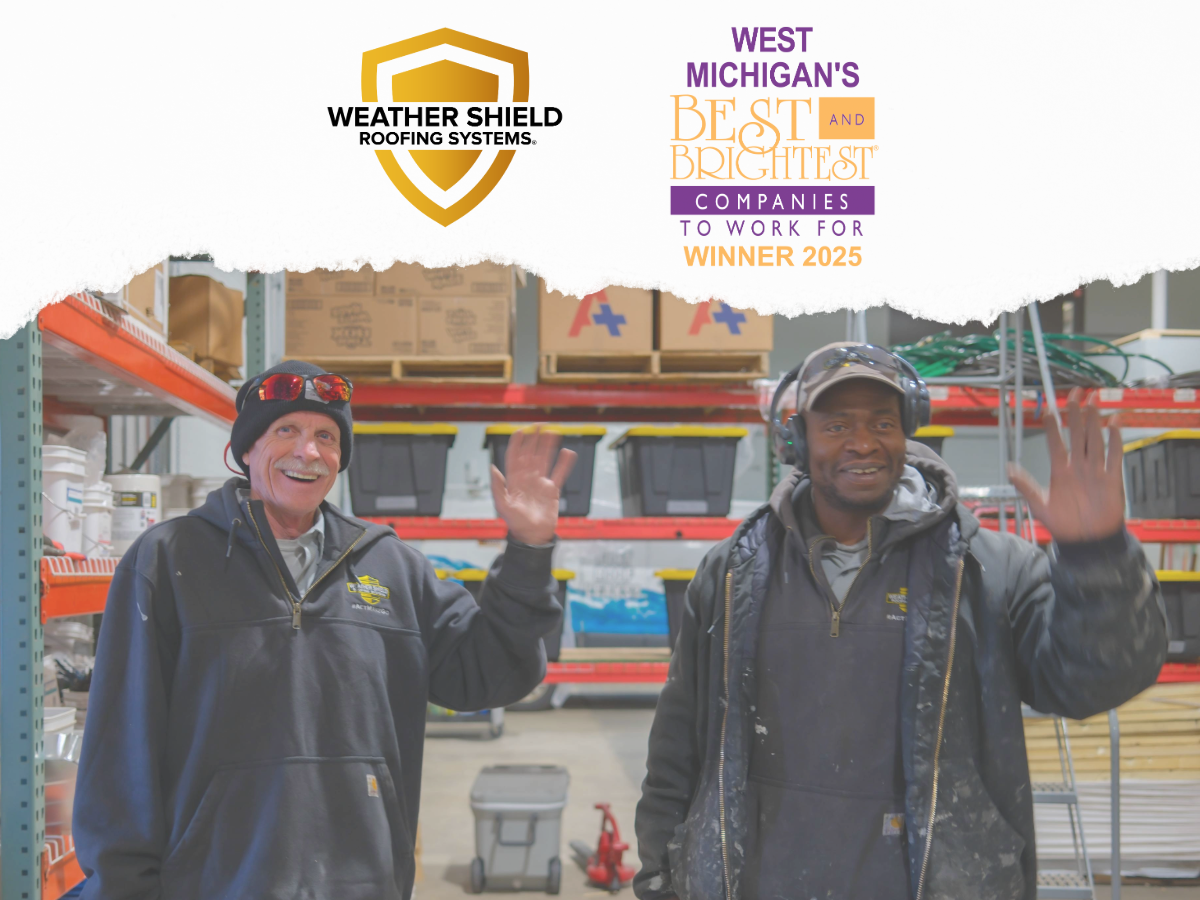
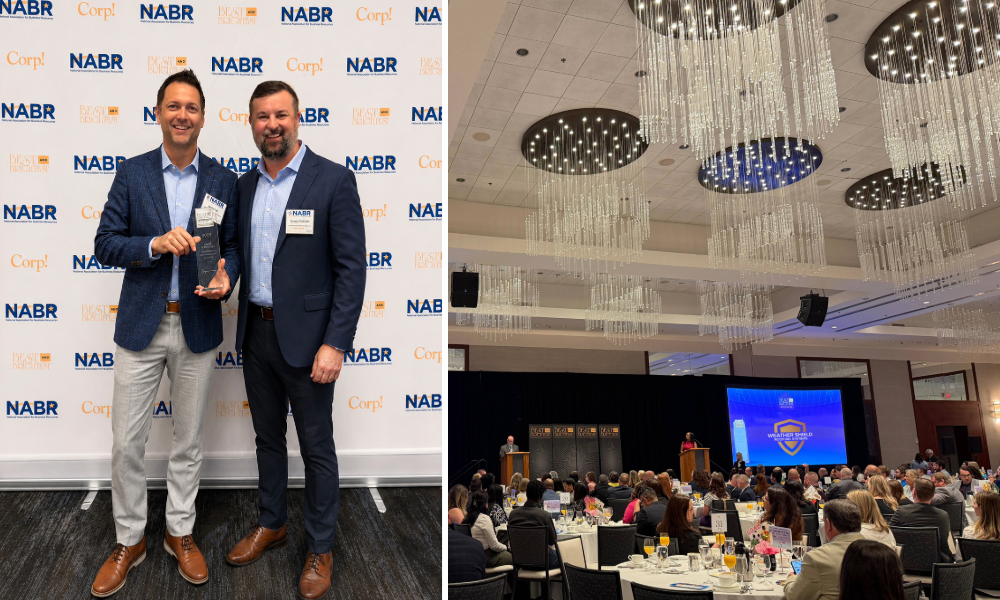
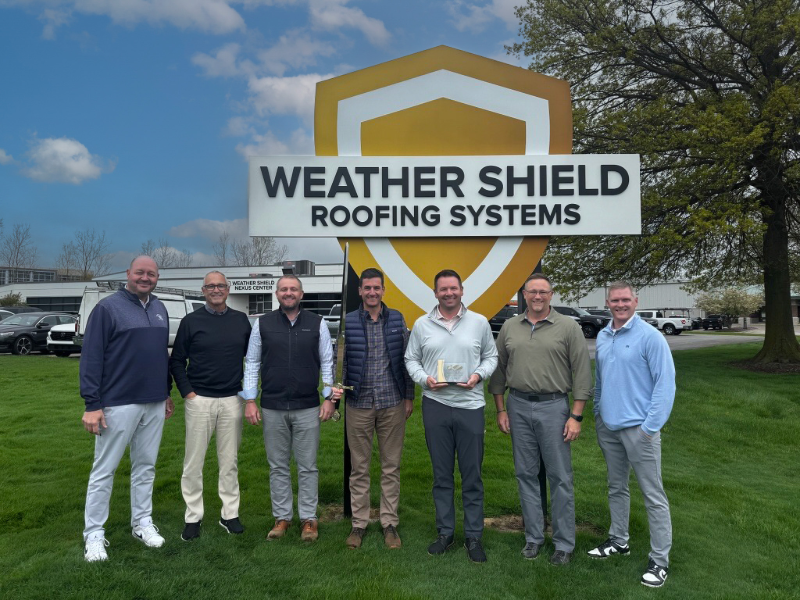
You can also look for evidence that a contractor’s work and business practices have been recognized within the roofing industry. Our commercial roofing awards and industry recognition provide one example of the types of credentials and achievements you can review when evaluating a roofing company.
Request references from customers with properties similar to yours. When speaking with those references, ask:
- Was the project completed as promised?
- Did the contractor communicate clearly?
- Were unexpected costs explained before the work continued?
- Was the property protected during the project?
- Did the contractor respond when concerns came up?
- Would the customer hire the company again?
Online reviews and Better Business Bureau ratings can also provide helpful context. However, do not focus only on the number of stars. Read how the contractor responds when a customer has a concern.
Problems can happen during any construction project. A company’s response to those problems often tells you more than a perfect-looking review score.
Will the Contractor Perform a Thorough Roof Inspection?
A reliable roofing contractor should not diagnose your roof from the parking lot.
A proper commercial roof inspection requires someone to get onto the roof, examine the system, document its condition, and look for the source of the problem, not just the most obvious symptom.
Depending on your roof, the inspection may include:
- Membranes, seams, fasteners, and flashing
- Drainage systems, gutters, and downspouts
- Roof penetrations and rooftop equipment
- Parapet walls and edge details
- Signs of trapped moisture
- Previous repairs
- Damaged insulation or decking
- Areas where water is ponding
The contractor should document important findings with photographs and explain them in plain language.
You should understand what is wrong, why it happened, what needs immediate attention, and what can be monitored or planned for later. A trustworthy contractor does not use an inspection to frighten you into buying the most expensive option.
The goal should be to give you enough information to make a responsible decision. That’s why we regularly post blogs to help you learn more about roof inspections, maintenance, repairs, roof leaks, and other common commercial roofing concerns before deciding what to do next.
Does the Estimate Clearly Explain the Scope of Work?
A roofing estimate should include more than a total price and a line that says, “Fix roof.”
You should receive a detailed scope of work that explains:
- Which roof areas are included
- What materials will be used
- How damaged materials will be removed or repaired
- Whether insulation or decking is included
- How rooftop equipment and surrounding property will be protected
- Who is responsible for permits
- The expected project timeline
- Payment terms
- Cleanup and debris removal
- Warranty coverage
- How unexpected conditions will be handled
When comparing roofing estimates, do not automatically choose the lowest number.
One contractor may be quoting a temporary repair while another is proposing a more complete solution. One estimate may include damaged insulation, drainage corrections, and a strong warranty. Another may include only surface-level patching.
Make sure you are comparing the same scope, materials, and expected service life.
The least expensive proposal is not always the lowest-cost decision. A cheap repair that fails repeatedly has a remarkable ability to become an expensive repair.
Does the Roofer Recommend the Right Solution for Your Building?
A reliable contractor does not treat every roofing problem as a reason to replace the entire roof.
Sometimes replacement is necessary. Other times, targeted repairs, restoration, improved drainage, or a professional roof maintenance program can add years of useful life to the existing system.
The contractor should explain your available options, including:
- What each option addresses
- What it does not address
- The estimated service life
- Expected maintenance needs
- Warranty differences
- Short-term and long-term costs
Be cautious when a contractor recommends a complete roof replacement without discussing repairs, restoration, or maintenance options. A trustworthy commercial roofing contractor helps you make the most cost-efficient decision for your building, not simply the largest purchase.
Are the Materials and Warranties Clearly Explained?
Roofing warranties can be confusing because multiple warranties may apply to the same project.
A manufacturer’s warranty generally covers qualifying defects in the roofing materials or system. A workmanship warranty covers installation-related problems for a specific period.
These warranties are not interchangeable.
Ask the contractor to explain:
- Who provides each warranty
- How long the coverage lasts
- What is covered
- What is excluded
- Whether regular roof maintenance is required
- Who you contact if there is a problem
- Whether the warranty can transfer to a new building owner
Manufacturer certifications can also matter. Roofing contractors who meet certain training, installation, financial, and performance requirements may qualify to install specific systems and offer enhanced warranty options.
Certifications alone do not guarantee perfect work, but they can demonstrate that the contractor has invested in training and maintains a working relationship with the manufacturer.
How Well Does the Contractor Communicate?
Commercial roofing projects involve crews, materials, access points, delivery schedules, tenants, employees, parking areas, and rooftop equipment.
Good communication keeps those moving parts from turning into moving headaches.
Before work begins, you should know:
- Who your main point of contact is
- When the crew will arrive
- Which areas of the property will be affected
- Whether entrances or parking spaces will be restricted
- How weather delays will be communicated
- How changes to the scope will be approved
- When daily cleanup will occur
Your contractor should also coordinate permits and inspections when required. The completed work must comply with applicable building codes and manufacturer specifications.
Reliable contractors do not disappear after the contract is signed. They provide updates, answer questions, and document changes throughout the project.
Will the Roofing Crew Protect Your Property?
Roofing work can create debris, noise, dust, traffic, and falling-material hazards. A professional contractor should have a written plan to protect your building and the people around it.
Ask how the crew will protect:
- Landscaping
- Siding and exterior walls
- Windows and doors
- Vehicles and parking areas
- HVAC equipment
- Pedestrian walkways
- Loading docks
- Tenant or customer entrances
The contractor should also explain its cleanup process. Old materials, packaging, fasteners, and other debris should be removed promptly.
The job is not complete when the last piece of roofing material is installed. It is complete when the roof is secure, the property is clean, and the work has been inspected.
What Are the Warning Signs of an Unreliable Roofer?
Roofing scams often increase after major storms. Property owners may be approached by contractors who use high-pressure sales tactics, demand large upfront payments, or claim that an immediate signature is required.
🚩Watch for these red flags:
- Unsolicited pressure to sign immediately
- No permanent business address
- Refusal to provide insurance documents
- Vague or incomplete contracts
- Large cash-only deposits
- No local references
- No clear workmanship warranty
- Requests to leave contract sections blank
- Promises to “take care of” your insurance deductible
- Prices that are dramatically lower than every other proposal
Read every contract carefully before signing it. The agreement should clearly describe the materials, scope, schedule, payment terms, warranties, and process for approving additional work.
A solid contract protects both you and the contractor. A vague contract usually protects the person who wrote it.
How Do You Choose the Best Commercial Roofing Contractor?
Choosing a reliable roofing contractor takes more than collecting three prices and selecting the lowest bid.
Look for a company that is properly insured, experienced with commercial roofing systems, transparent during inspections, and willing to explain every recommendation. Review the scope of work, warranties, safety practices, communication process, and long-term maintenance support.
Most importantly, choose a contractor who is willing to tell you the truth, even when the truth is that your roof does not need to be replaced yet.
At Weather Shield Roofing Systems™, our goal is to help property owners make informed, cost-efficient decisions that protect their buildings and extend roof lifespan. Through professional inspections, repairs, emergency roof repair, and programs such as Max Life Roof Care™, we help building owners address small issues before they become large expenses.
Want to learn more before speaking with a contractor? Visit our Learning Center for practical information that can help you better understand your roof and your options.
Have questions about your commercial roof? Contact Weather Shield Roofing Systems™ to schedule a conversation about your building and the options available.
Frequently Asked Questions
How can I verify that a roofing contractor is licensed and insured?
Ask for the contractor’s license number and verify it through your state or local licensing agency. Request current certificates for general liability and workers’ compensation insurance. Confirm that the company name on the insurance documents matches the company you are hiring.
What should a commercial roof inspection include?
A thorough inspection should evaluate the roof membrane, seams, flashing, penetrations, drainage components, rooftop equipment, previous repairs, insulation, and decking when accessible. The contractor should provide photographs and explain the findings clearly. You can find additional information about inspections and other roofing topics in our Learning Center.
What is the difference between a manufacturer warranty and a workmanship warranty?
A manufacturer warranty generally covers qualifying defects in roofing materials or the installed system. A workmanship warranty covers problems related to the contractor’s installation. Ask for the coverage, exclusions, duration, and maintenance requirements in writing.
What are common roofing contract red flags?
Watch for blank spaces, vague material descriptions, unclear timelines, large cash deposits, missing warranty details, and no written process for approving additional osts. Never rely on verbal promises that are not included in the contract.
Should I choose the lowest roofing estimate?
Not necessarily. Compare the scope of work, material quality, warranty coverage, expected service life, and contractor experience. A lower estimate may exclude important repairs or provide only a short-term solution.

Andy Byma
President
