

Commercial Roofing Red Cards:
7 Mistakes That Can Get Your Roof Kicked Out of the Game
When it comes to protecting your commercial property, your roof is one of the most valuable players on the field. But just like in sports, one bad decision can change the outcome of the game.
Many commercial property owners and facility managers unknowingly make costly roofing mistakes that shorten roof lifespan, increase repair costs, and create unnecessary disruptions for tenants and operations. At Weather Shield Roofing Systems, we’ve been helping businesses protect their commercial roofing investments for more than 45 years, and we’ve seen the same avoidable mistakes lead to major problems time and time again.
The good news? Most of these commercial roofing red cards can be avoided with proactive roof maintenance, regular inspections, and quick action when problems arise.
Let’s look at seven mistakes that can get your roof kicked out of the game.
Why Are Regular Roof Inspections So Important?
One of the biggest mistakes property owners make is assuming that no visible leaks mean the roof is in good condition.
Unfortunately, commercial roofing systems often develop problems long before water enters the building. Small membrane punctures, loose flashing, clogged drains, and seam separation can all exist unnoticed for months.
Regular roof inspections help identify issues early, allowing building owners to address them before they become expensive repairs or full roof replacements.
Think of roof inspections like routine physicals for athletes. You may feel fine today, but catching a problem early can prevent a season-ending injury.
Most commercial roofing professionals recommend inspections at least twice per year and after major storms.
What Happens If You Ignore Ponding Water?
Ponding water is one of the most common roofing issues on flat and low-slope commercial roofs.
After rainfall, it’s normal to see some water temporarily remain on the roof. However, if water remains for more than 48 hours, it becomes a concern.
Standing water can:
- Accelerate membrane deterioration
- Increase roof weight and stress
- Create leak opportunities
- Encourage algae and vegetation growth
- Shorten overall roof lifespan
Many property owners see ponding water and assume it’s harmless because it eventually evaporates. Unfortunately, repeated ponding can quietly damage your commercial roofing system over time.
Addressing drainage issues early can significantly improve roof performance and support long-term roof investment protection.
Is Hiring the Cheapest Roofing Contractor Really Saving Money?
Every property manager has budget pressures. However, choosing a roofing contractor based solely on the lowest price often creates bigger expenses later.
A low bid may mean:
- Inferior materials
- Less experienced labor
- Limited warranties
- Inadequate safety procedures
- Shortcuts during installation
Commercial roofing is not an area where cutting corners pays off.
The true cost of a roofing project includes durability, workmanship, maintenance requirements, and long-term performance. A slightly higher upfront investment can often result in years of additional roof lifespan and substantial roof cost savings.
When evaluating contractors, ask about certifications, experience, inspection processes, warranties, and references. The goal is value, not simply the lowest number on the proposal.
Related blog posts:
What Do Bad Roof Repairs Really Cost Building Owners?
The Real Cost of Choosing the Cheapest Commercial Roofing Option
Why Do Property Owners Delay Emergency Roof Repair?
When a roof leak appears, many building owners try to monitor the situation before taking action.
Unfortunately, roof leaks rarely improve on their own.
What begins as a small leak can quickly lead to:
- Interior water damage
- Mold growth
- Damaged insulation
- Electrical issues
- Business disruptions
- Tenant complaints
Emergency roof repair is most effective when performed immediately after a problem is discovered.
Many property owners wait because they worry about repair costs. In reality, delaying repairs often increases the final expense dramatically.
If your roof is showing signs of active leaking, water infiltration, or storm damage, quick action can help prevent much larger problems.
Can Walking on a Commercial Roof Cause Damage?
Many people are surprised to learn that simply walking on a roof can create roofing issues.
Commercial roofing systems are designed to withstand weather exposure, but they are not always designed for frequent foot traffic.
Maintenance personnel, HVAC contractors, satellite installers, and other service providers often access roofs throughout the year.
Without proper precautions, they can accidentally:
- Puncture roofing membranes
- Damage flashing
- Loosen seams
- Create hidden weak spots
Over time, repeated traffic can significantly contribute to roof deterioration.
If regular roof access is necessary, designated walk pads and proper access procedures can help reduce damage and support roof damage prevention efforts.
How Does Neglecting Roof Maintenance Shorten Roof Lifespan?
Some building owners view roof maintenance as optional until a problem appears.
This approach often results in more frequent repairs and premature roof replacement.
A proactive roof maintenance program helps identify minor issues before they become major expenses.
Routine maintenance often includes:
- Drain cleaning
- Debris removal
- Flashing inspections
- Membrane assessments
- Sealant evaluations
- Minor repair corrections
Programs like Max Life ™ Roof Care are designed to extend roof lifespan while helping owners manage costs more effectively over time.
A well-maintained commercial roofing system can often outperform expectations and deliver years of additional service life.
Why Is Documentation So Important for Commercial Roofing?
Another common mistake is failing to maintain roofing records.
Many property managers inherit buildings without complete roofing documentation.
As a result, they may not know:
- Roof age
- Warranty status
- Repair history
- Inspection findings
- Previous leak locations
Without this information, diagnosing issues becomes more difficult and costly.
Maintaining detailed records helps roofing professionals make informed recommendations and allows property owners to plan future roofing investments more effectively.
Documentation also supports warranty claims and insurance discussions when storm damage occurs.
What Happens When Small Roofing Problems Are Ignored?
One of the most expensive mistakes in commercial roofing is assuming small issues can wait.
A tiny membrane puncture today can become a significant roof leak next month. A loose flashing detail can become a major water intrusion point during the next storm.
Commercial roofs are exposed to constant stress from weather, temperature changes, UV exposure, and building movement.
Small problems tend to grow quickly.
The most cost-effective strategy is to address issues while they are still manageable. Early intervention helps reduce repair expenses, extend roof lifespan, and improve overall building protection.
Your commercial roof works hard every day to protect your property, tenants, equipment, and operations. Avoiding these seven roofing red cards can help keep your roof performing at a high level for years to come. Through regular roof inspections, proactive roof maintenance, prompt emergency roof repair, and smart contractor selection, property owners can avoid costly surprises and maximize their roofing investment.
At Weather Shield Roofing Systems, we’ve spent more than 45 years helping businesses make informed roofing decisions that protect their buildings and budgets. If you have questions about your roof’s condition or want to develop a long-term maintenance strategy, contact our team today and let us help you keep your roof in the game.
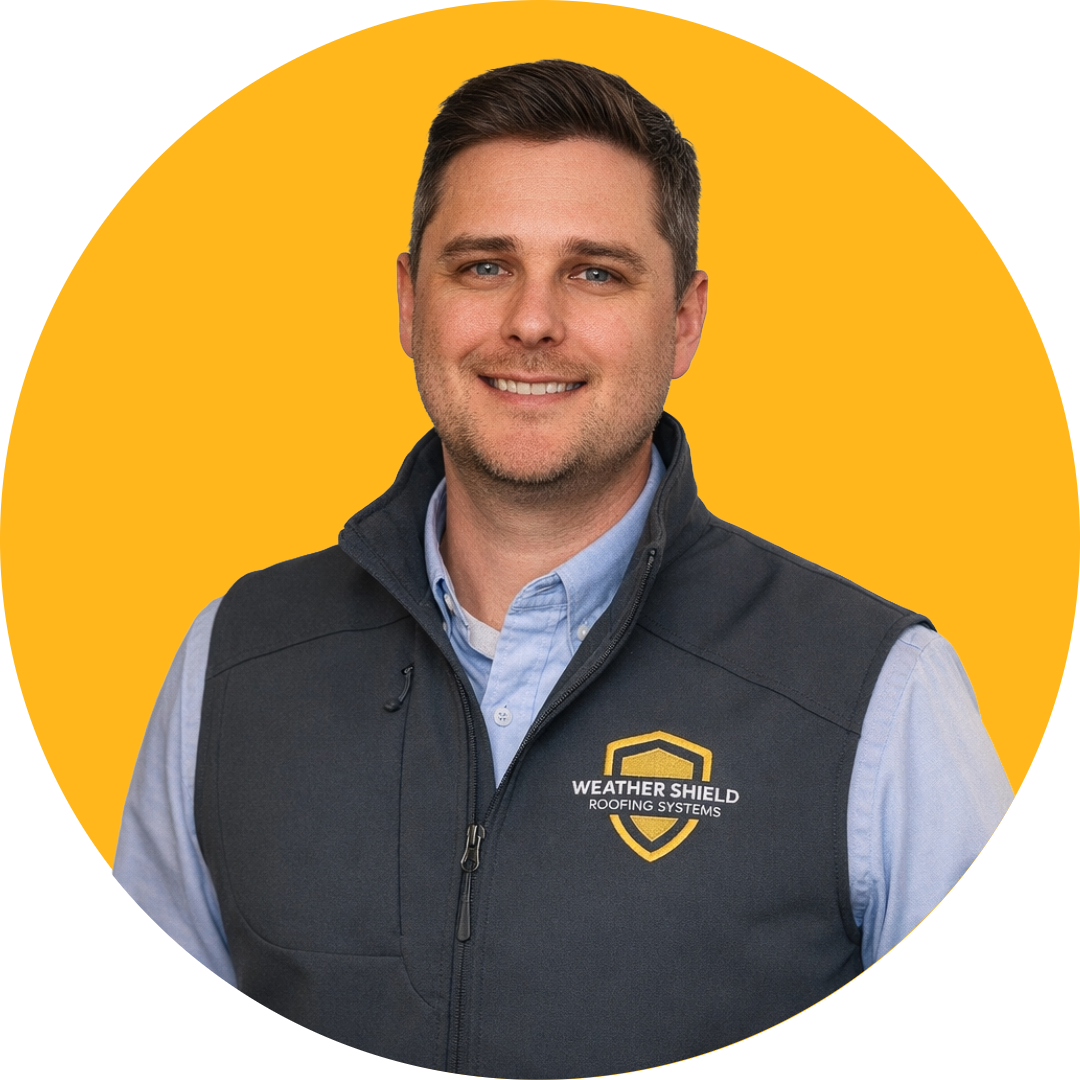
Mike Ayers
Mike Ayers serves as an Account Manager for Weather Shield Roofing Systems™ in Nashville, Tennessee, where he is leading the company’s strategic expansion into the Tennessee market. With a background in solar panel solutions, Mike brings a unique perspective to commercial roofing—bridging energy efficiency with long-term roof performance. He is passionate about helping businesses maximize the life of their existing roofs and avoid premature replacements.