Weather Shield Participates in Elevate Roof Training
If you’ve ever managed a commercial building, you already know the uncomfortable truth: the roof doesn’t usually get attention until it starts causing problems.
And by then? It’s not a “roof issue.” It’s a tenant issue, a budget issue, and a “why is water dripping onto my expensive stuff?” issue.
That’s why training matters. Not the kind where everyone nods politely at a PowerPoint and then forgets everything by Tuesday. I’m talking about real training. The kind that makes crews better, catches mistakes before they become leaks, and helps your roof last longer without throwing money off the building like confetti.
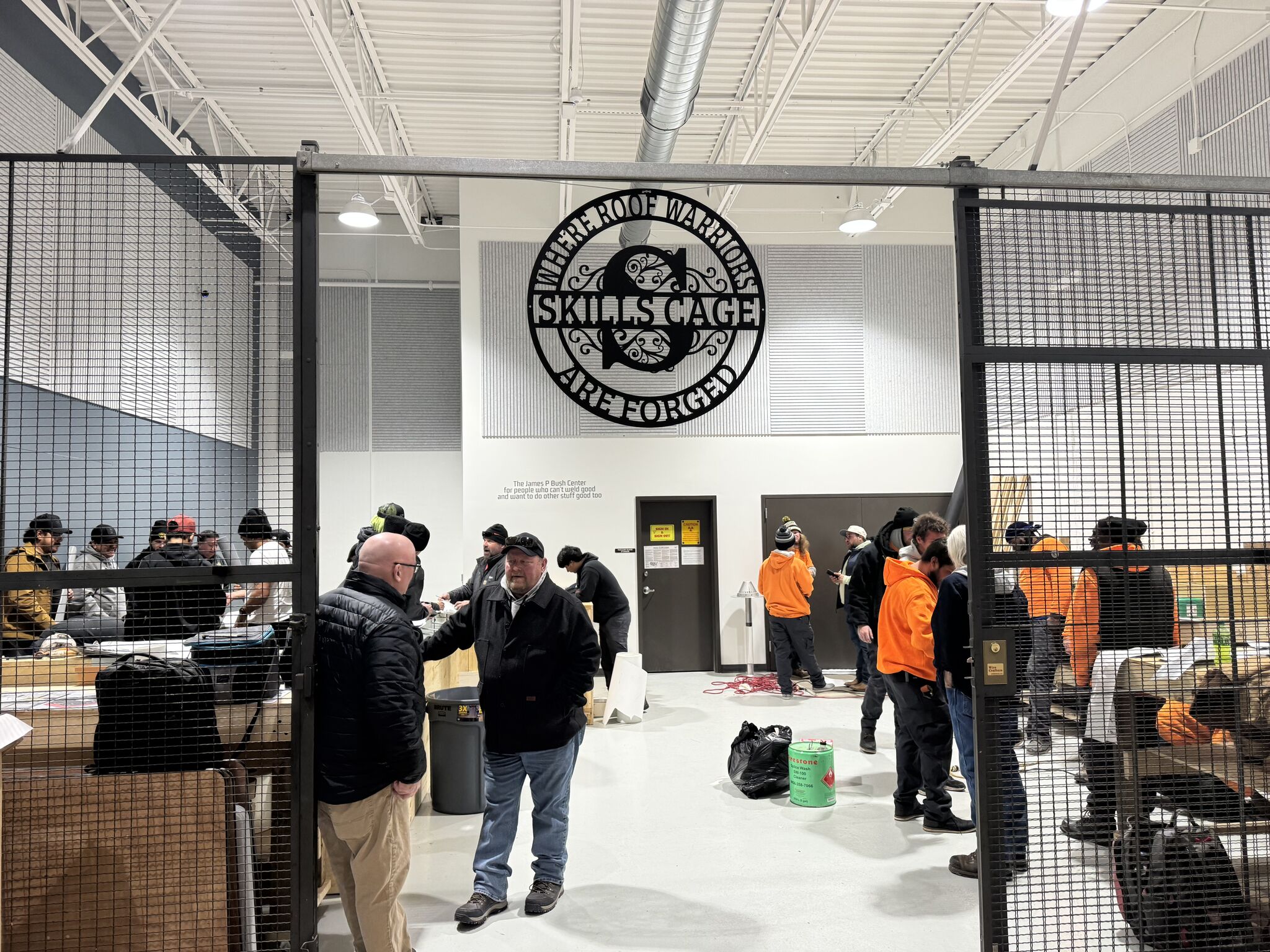
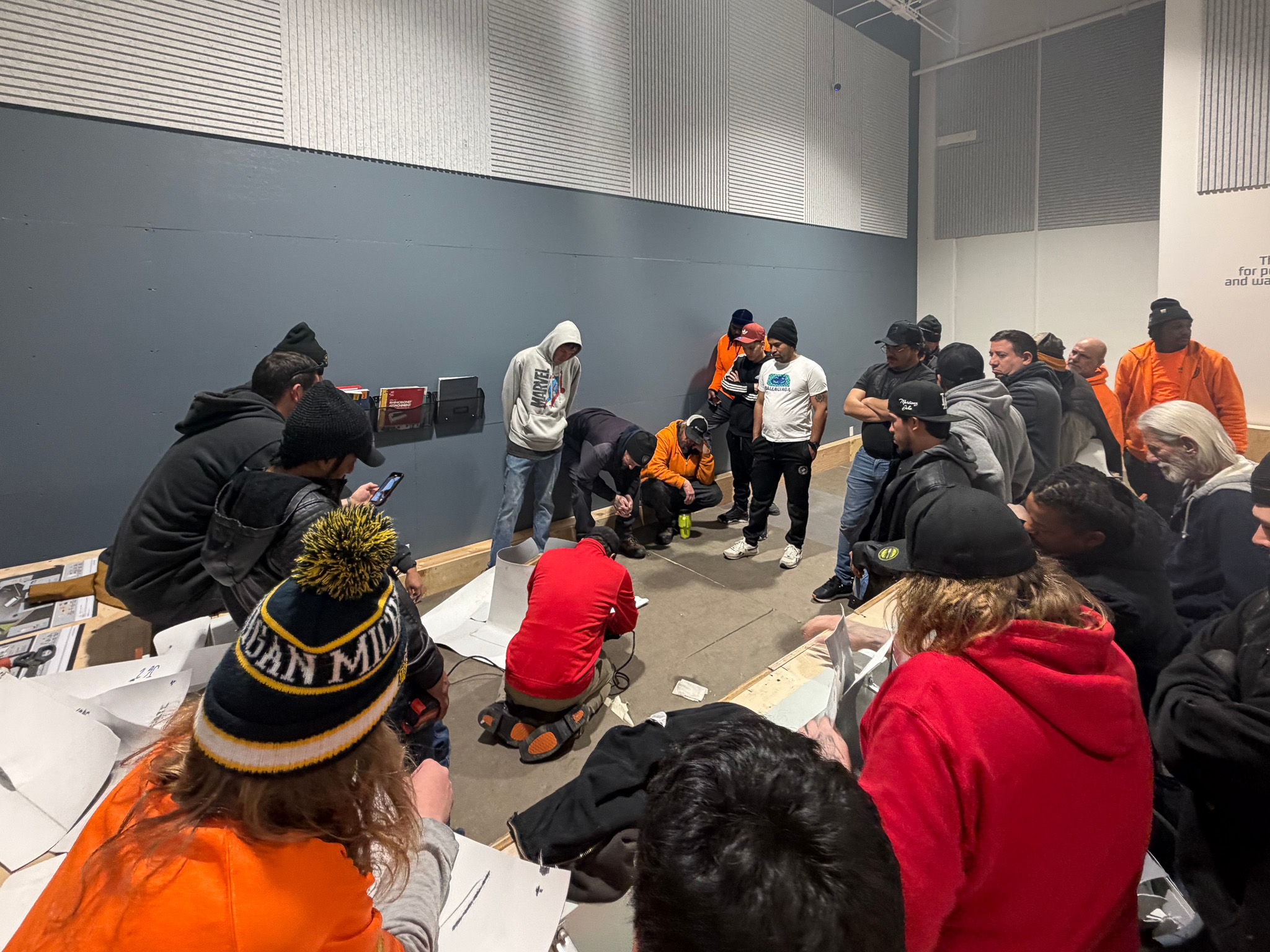
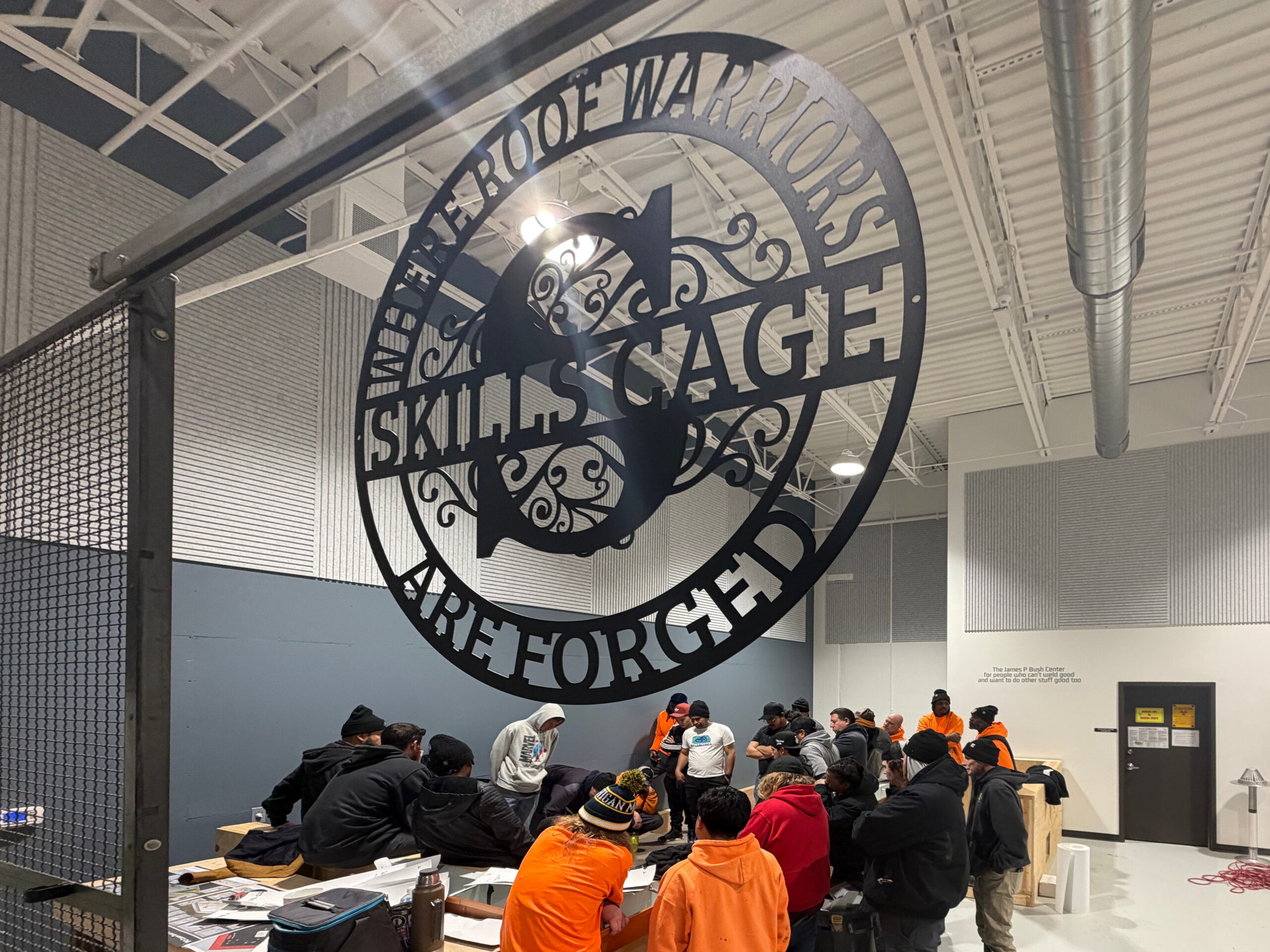
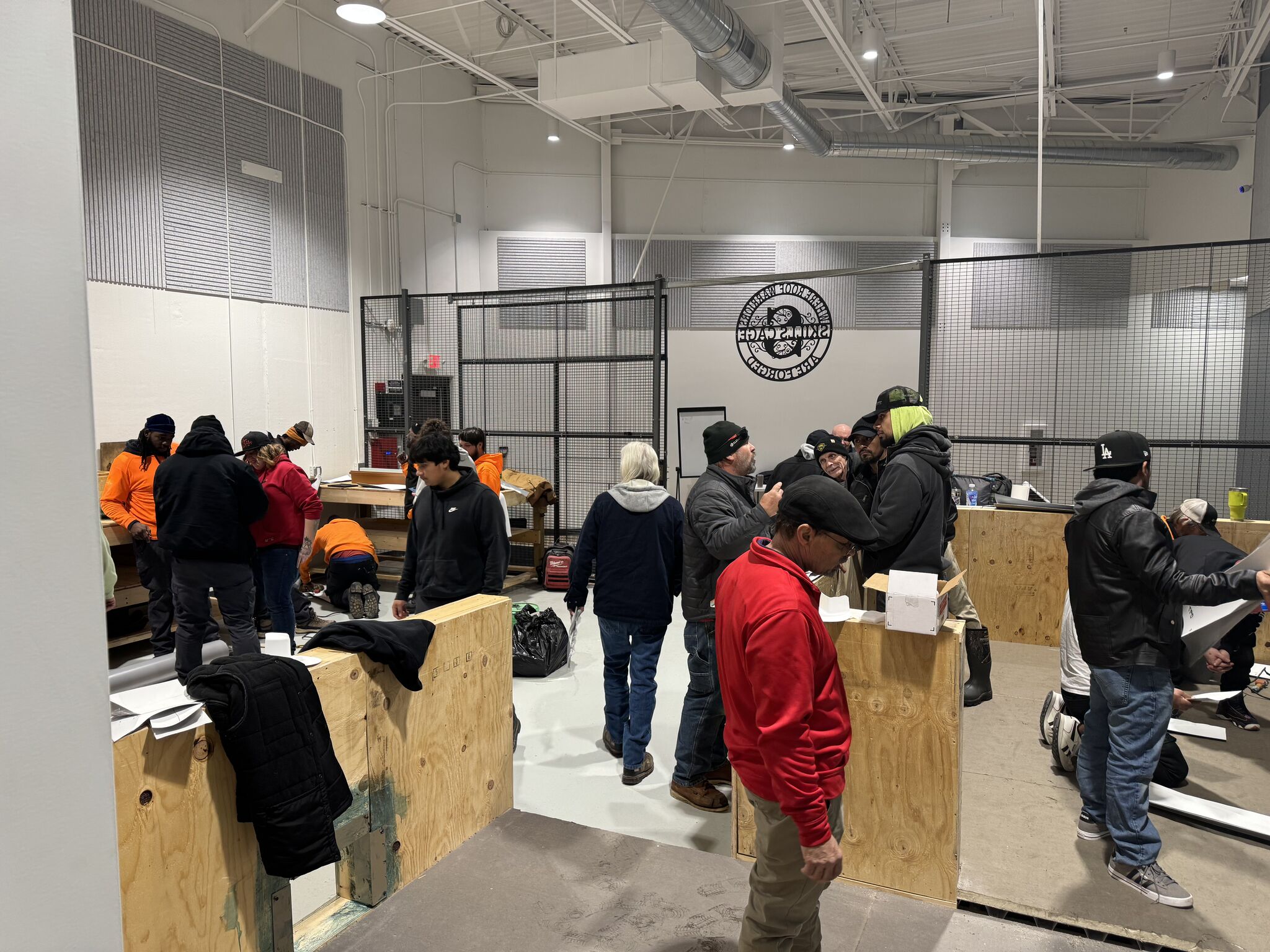
Recently, Weather Shield Roofing Systems and Great Lakes Systems hosted an Elevate commercial roofing training in our Weather Shield University Skills Cage. We started with classroom learning, moved into hands-on work, and — because we’re roofers and we can’t help ourselves — we wrapped it all up with a welding competition.
Yes, a welding competition. With gift cards. Because nothing motivates good workmanship like bragging rights and a little spending money.
Here’s what the day looked like, why it matters to property owners and managers, and what training like this actually does for your roof.
What is Elevate training for commercial roofing?
Elevate (formerly Firestone Building Products) provides manufacturer-led training focused on proper installation, detailing, and long-term performance of commercial roofing systems.
In plain English: it’s training designed to reduce roof failures.
At Weather Shield, we’ve been helping property managers, investors, and building owners protect their properties for over 45 years. And in that time, we’ve learned something that isn’t flashy, but it’s true:
Most commercial roof problems aren’t caused by “bad materials.”
They’re caused by small installation or detailing mistakes that show up years later.
That’s why we invest in ongoing training. Not because it looks nice on a brochure, but because the roof you own five, ten, or twenty years from now depends on the choices made on install day.
What did this Elevate training day include?
This training wasn’t just “watch someone do a thing.” It was structured, practical, and aimed at real-world roof performance.
1) About 2.5 hours of classroom training
We kicked off with roughly 2.5 hours in the classroom, where Elevate covered what they’re seeing out in the field, and more importantly, what they’re seeing go wrong.
That included:
- 25-year and 30-year roofing details
- Common deficiencies found during roof inspections
- Real examples of what fails first (and why)
- How to avoid mistakes that lead to premature leaks
- A Q&A session where people could ask the questions that don’t fit on a slide
For building owners reading this: this part matters because it’s where crews learn the “why.”
When a roofer understands why a specific detail matters — not just how to do it — they’re far less likely to cut a corner when nobody’s watching.
2) Lunch (because you can’t learn on an empty stomach)
Not complicated. But important. Roofers aren’t robots. Feed them and they’ll do better work.
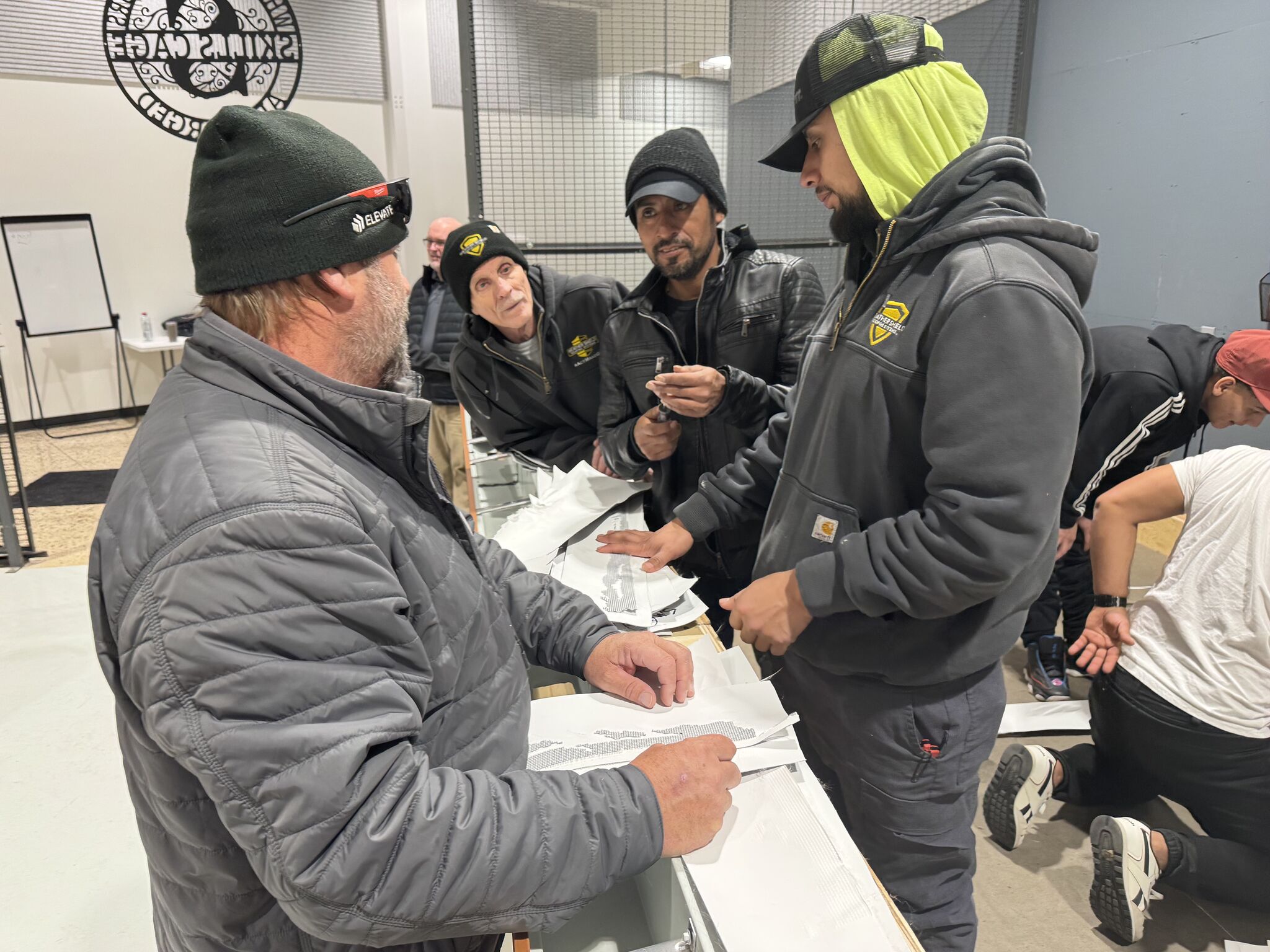
3) Hands-on training in the shop
After lunch, the real learning started.
Hands-on training is where you find out who really understands the detail, who’s just been copying what they’ve seen, and where the gaps are before those gaps end up on your roof.
That’s also where we ran the welding competition.
Why have a welding competition at a roofing training?
Because training sticks when people care.
Let’s be honest: nobody wakes up thinking, “I hope I get to review 30-year details today.”
But you tell a crew there’s a contest for the best weld of the day — and suddenly everyone’s paying attention to technique, consistency, and quality.
We had two levels of welders:
- Level One: beginning welders
- Level Two: more experienced welders
From each level, we selected the best two welds. Then we ran a competition with three “IPs” (instructors/inspectors judging the work) to determine the winners.
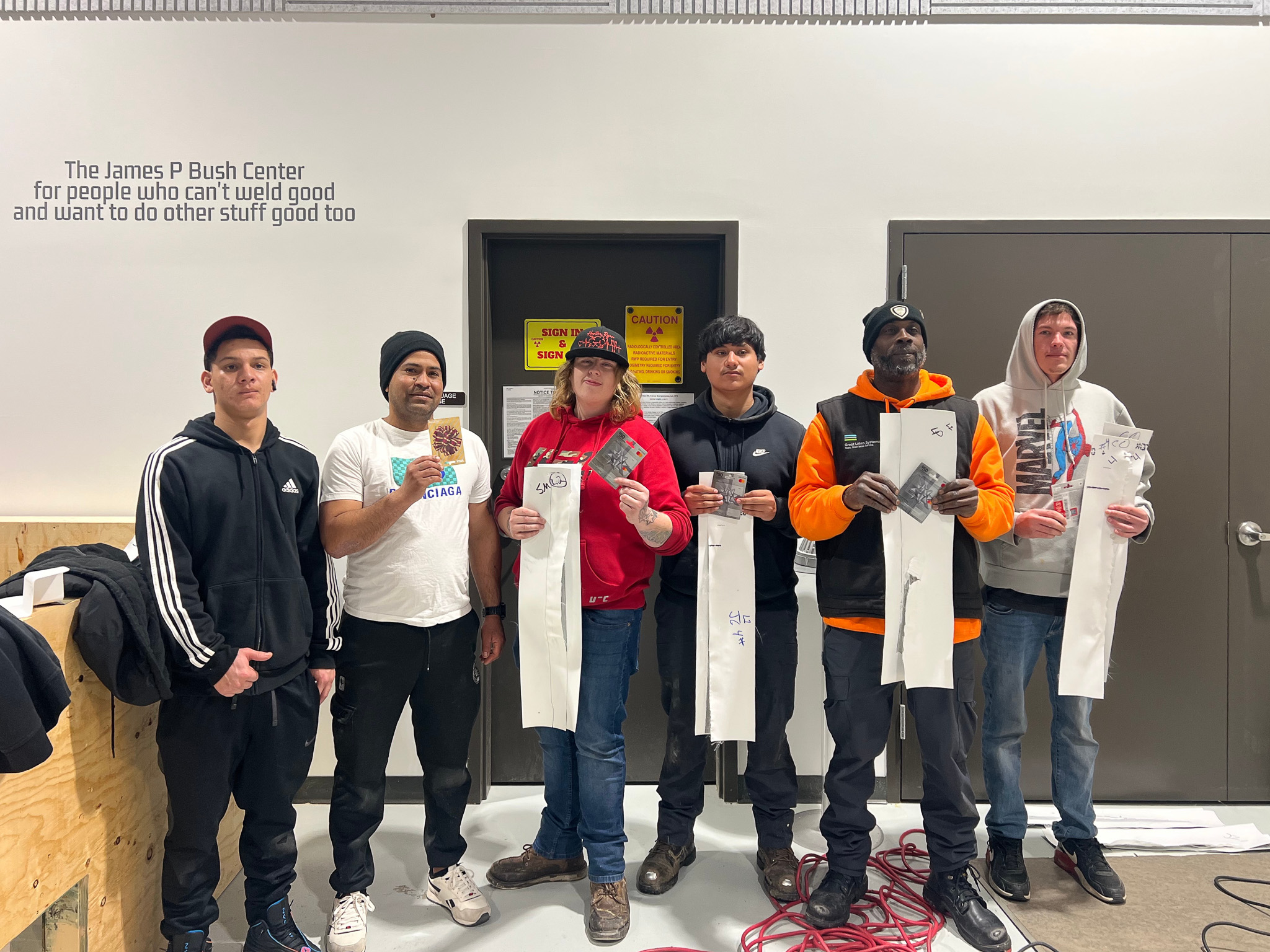
The prize? $50 gift cards for the best welds of the day. And the six people in the photo above? They’re the six winners who produced the top welds.
But the real prize wasn’t the gift card. It was the standard it set.
When you reward quality in training, you get quality in the field.
What does “good welding” have to do with my commercial roof?
Great question — and it depends on the system.
On many commercial roofing systems, weld quality affects:
- seam strength
- water tightness
- long-term durability
- resistance to wind uplift
- how well repairs hold over time
If you’ve ever seen a roof leak at the seam, you already know what bad welding looks like. It looks like a puddle inside your building.
A good weld isn’t just “stuck together.” It’s consistent, properly fused, and done with the right technique so it holds up year after year.
What deficiencies does Elevate typically find during roof inspections?
Every manufacturer and inspector will have their own list, but in general, most inspection findings fall into a few predictable buckets:
Detail issues at penetrations and edges
Roof penetrations (pipes, units, curbs) and edge details are where most leaks start. If the detail isn’t executed correctly, water finds the shortcut.
Inconsistent seams or poor adhesion
A roof can look fine from ten feet away and still have seam problems that show up after thermal movement, weather, or time.
Poor drainage planning or clogged drains
Standing water isn’t always an emergency… until it is. Long-term ponding increases risk, stresses seams, and can accelerate aging.
Unaddressed minor damage
Tiny punctures, open seams, and small flashing issues don’t stay small. They get expensive when ignored.
This is why routine roof inspections and roof maintenance matter. It’s also why training matters: the fewer deficiencies you build into the roof, the less you’ll pay to chase them later.
How does training like this protect a building owner’s budget?
Here’s the part property managers usually appreciate:
Training reduces the chances of premature failure.
A roof that’s installed correctly and maintained properly can often reach (or get close to) its intended service life. That might mean 20, 25, or even 30 years depending on the system, environment, and maintenance plan.
But if key details are installed wrong, the roof might start giving you trouble in year five, year seven, or year ten.
And that’s when budgets get ugly.
Because now you’re not paying for planned roof maintenance. You’re paying for:
- emergency roof repair
- interior damage
- tenant complaints
- operational disruption
- potential warranty issues
- and sometimes a roof replacement sooner than anyone wanted
This is exactly why we focus on long-term performance and programs like Max Life Roof Care — not as a buzzword, but as a strategy to extend roof lifespan through proactive service, documentation, and repairs before they turn into surprises.
What should building owners ask their commercial roofer about training?
If you’re vetting commercial roofing services, here are a few straightforward questions that tell you a lot:
“Do your crews receive manufacturer training?”
If yes, ask which manufacturers and how often.
“How do you ensure quality across different crews?”
A strong company has standards, inspections, and consistent processes — not just one “superstar” foreman.
“Do you document installation details and repairs?”
Documentation protects you. It also makes inspections and future maintenance more effective.
“What’s your plan for ongoing roof maintenance?”
If the answer is basically “call us when it leaks,” you’re going to spend more than you should.
What’s the big takeaway from this training day?
It’s simple:
A commercial roof is only as good as the people installing and maintaining it.
That’s why we bring in manufacturers like Elevate and review 25- and 30-year details while talking openly about deficiencies found in real inspections. And that’s why we put welders in a friendly competition to push quality higher.
Because when workmanship improves, the roof performs better.
And when the roof performs better, you get fewer emergencies, fewer surprises, and more control over your building budget.
Want help extending the life of your commercial roof?
If you’re dealing with recurring leaks, unsure about your roof’s remaining lifespan, or you just want a clear plan that avoids expensive surprises, Weather Shield Roofing Systems can help.
We’ll give you straight answers, practical options, and a plan that fits your building — whether that’s repairs, preventative roof maintenance, or a long-term approach like Max Life Roof Care.

Jeff Myers
With 33 years of experience in commercial roofing, Jeff Myers brings unmatched industry knowledge and hands-on leadership to every project. As Project Manager, he ensures each roof is executed with precision, clear communication, and a focus on long-term performance. Jeff is committed to maximizing roof life, preventing costly surprises, and delivering the high-value solutions Weather Shield is known for.

Sir Maximus Shield
Sir Maximus Shield is the noble protector of rooftops far and wide—a knight forged from Weather Shield craftsmanship and unwavering integrity. From the battlements of factories to the towers of office parks, he stands guard against leaks, storms, and time itself. His quest is simple: to defend every commercial roof with honor, precision, and lasting strength. When he’s not patrolling the skyline, Sir Maximus shares his chronicles of durability, innovation, and the noble pursuit of maximum protection. One roof at a time.