Commercial Roofing Safety Day: The Standard We Hold Ourselves To
At Weather Shield Roofing Systems, we’ve been helping businesses protect their buildings and investments for more than 45 years. Over that time, I’ve learned something important about commercial roofing:
Nothing matters more than making sure our people go home safe.
That’s why our annual Safety Day means so much to me personally.
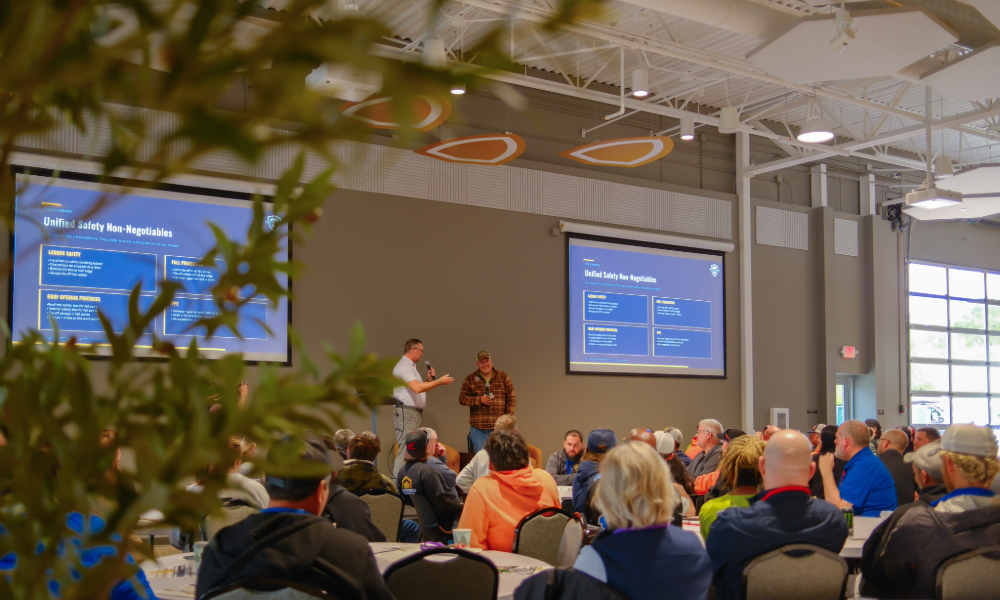
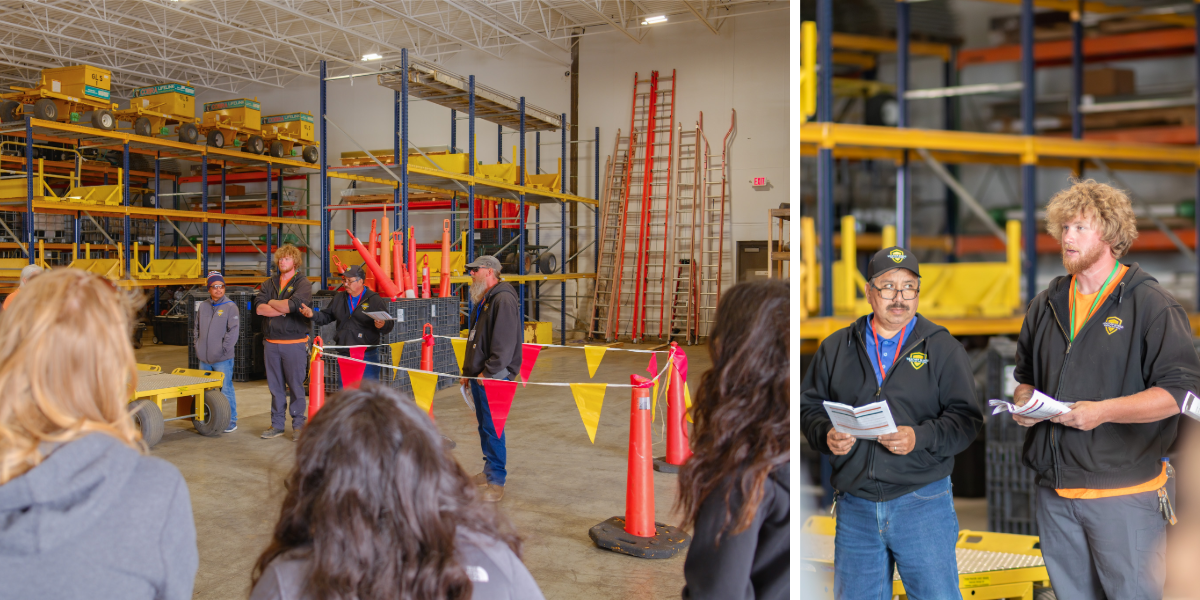
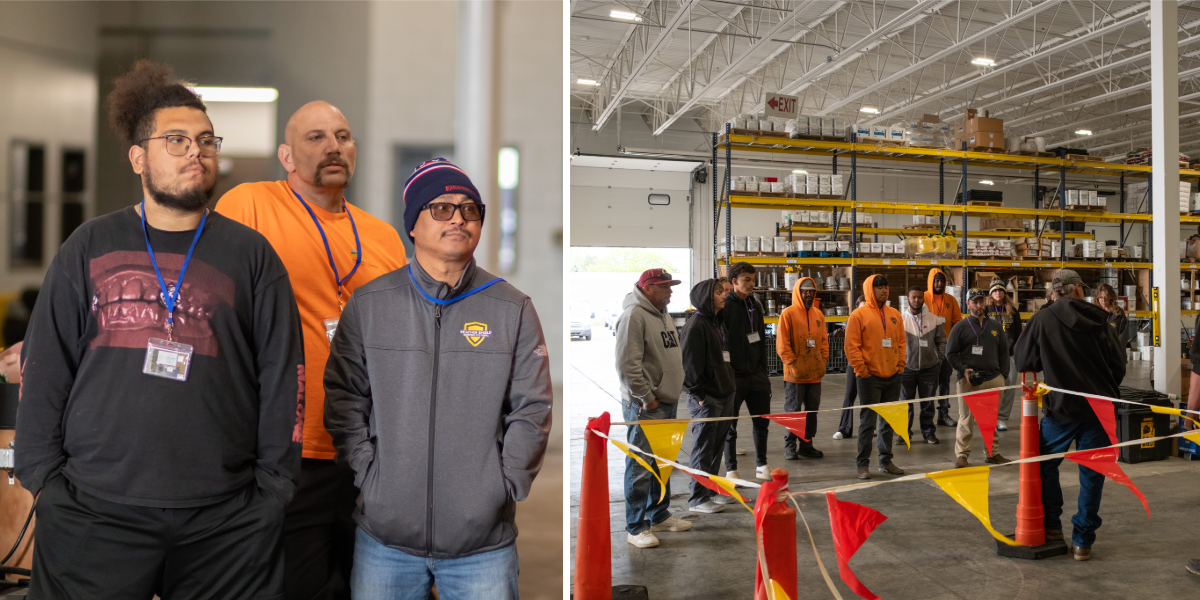
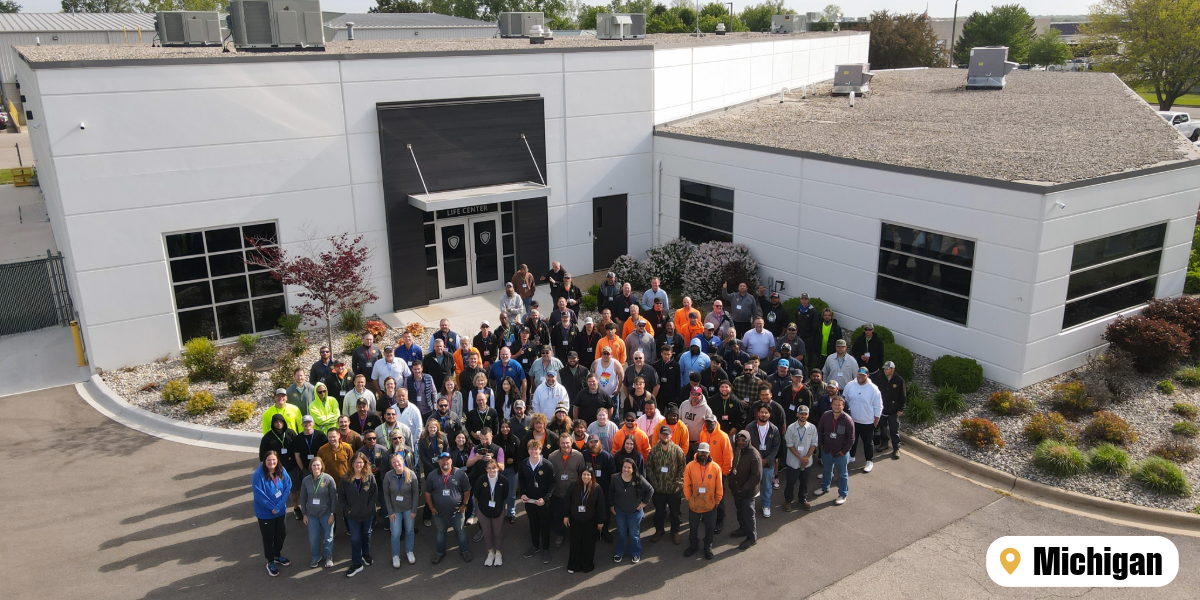
Every year, we pause production and bring our teams together for a full day focused entirely on safety, communication, accountability, and execution. It’s not because safety training is trendy or because OSHA requires it. It’s because commercial roofing is hard work, and if we’re not paying attention, people can get hurt.
This year’s Spring Safety Day was a reminder of why we do what we do, both for our employees and for our customers.
Why Do We Take Safety Day So Seriously?
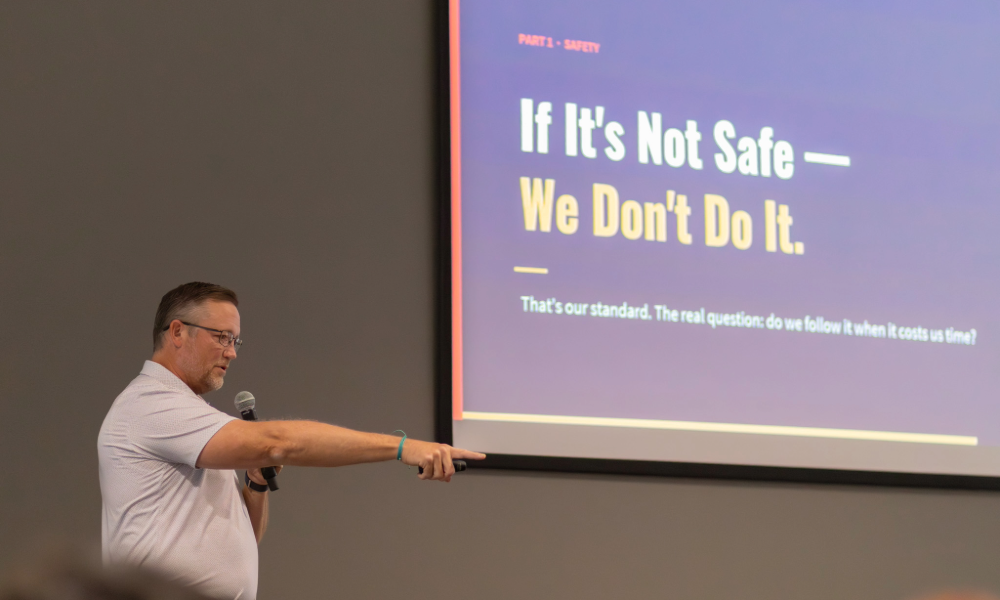
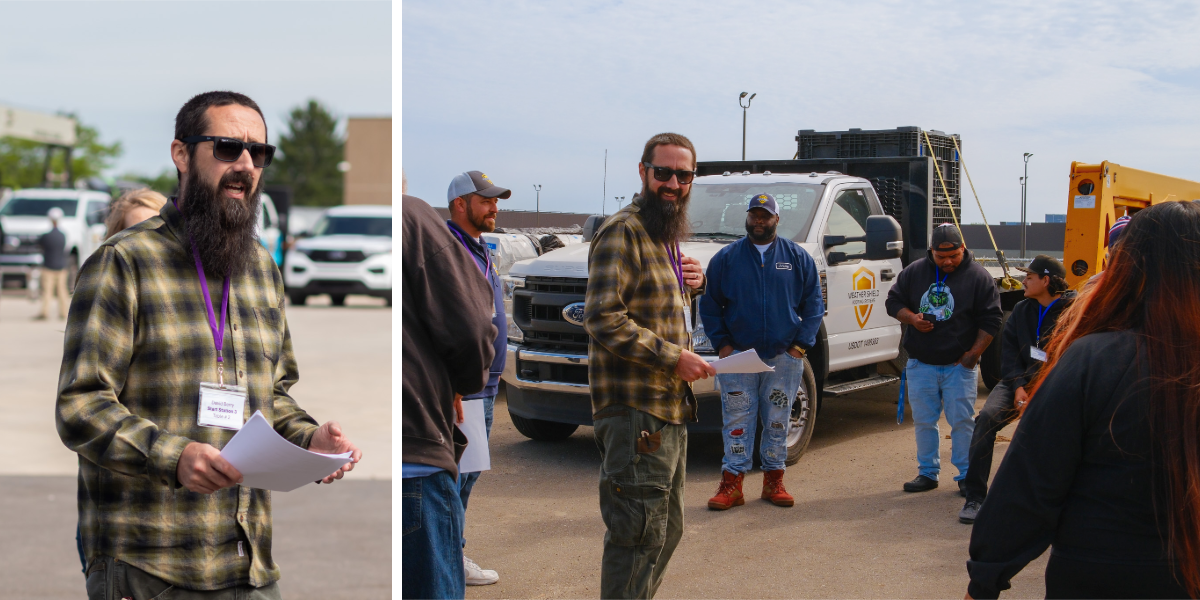
During the opening discussion, Andy Byma shared something with our team that we both have said before and will continue saying:
“I do not want to meet your mom.”
That may sound simple, but it’s real.
Over the years, I’ve had difficult conversations after workplace injuries, and those moments stay with you forever. That’s the reason we started doing two Safety Days each year nearly 15 years ago. We realized we needed to slow down, get intentional, and build a stronger safety culture before someone else got seriously hurt.
Commercial roofing comes with risk. We work at heights. We work around heat, weather, equipment, and constantly changing job-site conditions. When time pressure takes over or communication breaks down, that’s when accidents happen.
Safety Day is our opportunity to step off the roof for a moment and reset our standards together.
It’s also an opportunity to remind every single employee that they have stop work authority. If something looks unsafe, anyone on our team has the right and responsibility to speak up and stop work immediately.
That mindset matters not just for our employees, but for our customers too.
A company that prioritizes safety usually prioritizes communication, quality, planning, and accountability in every other part of the job as well.
The Story That Shapes How I Think About Safety
One of the stories I shared during Safety Day was about Charlie Plumb, a fighter pilot during the Vietnam War. After being shot down on his final mission and surviving years as a prisoner of war, he later met the sailor who had packed his parachute.
The sailor simply said:
“I packed your parachute. I guess it worked.”
That story sticks with me because commercial roofing works the same way. Every employee at Weather Shield is packing someone else’s parachute every day.
Whether it’s inspecting fall protection equipment, setting up warning lines, cleaning a job-site properly, communicating roof conditions, or double-checking a repair detail, every small decision affects someone else’s safety and success.
That’s what our culture is really about.
Not just doing your own job well but protecting the people around you.
The Shield Code
One of the major topics we covered during Safety Day was our Shield Code.
The Shield Code is built around four pillars:
- Safety
- Quality
- Execution
- Communication
I talked with our team about how those things are all connected. Safety is not separate from quality. Execution is not separate from accountability. The same decision that prevents a safety incident is often the same decision that prevents roof leaks, rework, customer disruptions, and long-term roofing problems.
We also discussed something that came up repeatedly in employee feedback:
Inconsistent standards.
One crew handles something one way. Another crew handles it differently. Sometimes safety depends too much on who’s supervising the project instead of everyone operating at the same standard every day.
That’s the gap we’re trying to close.
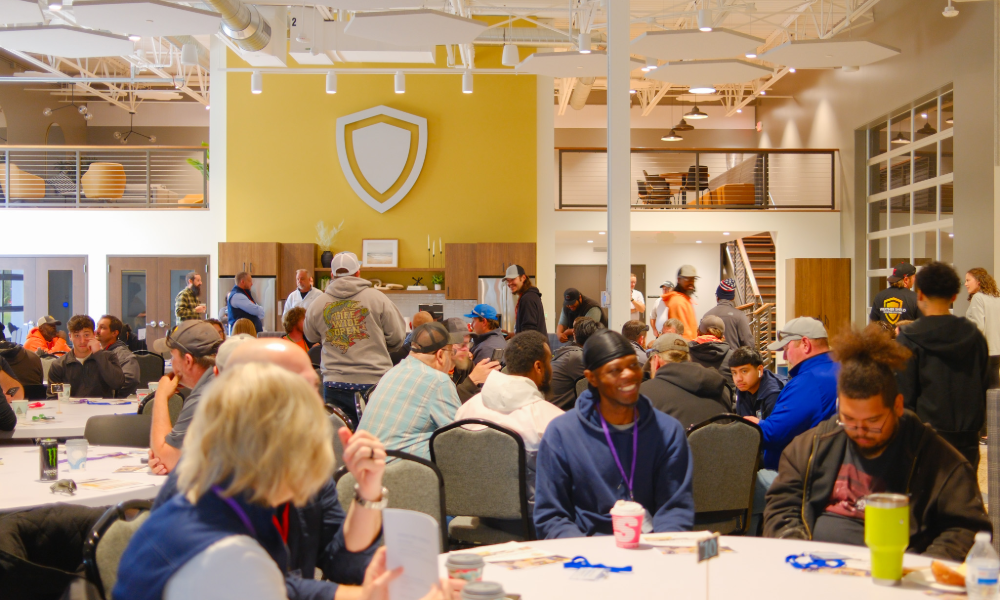
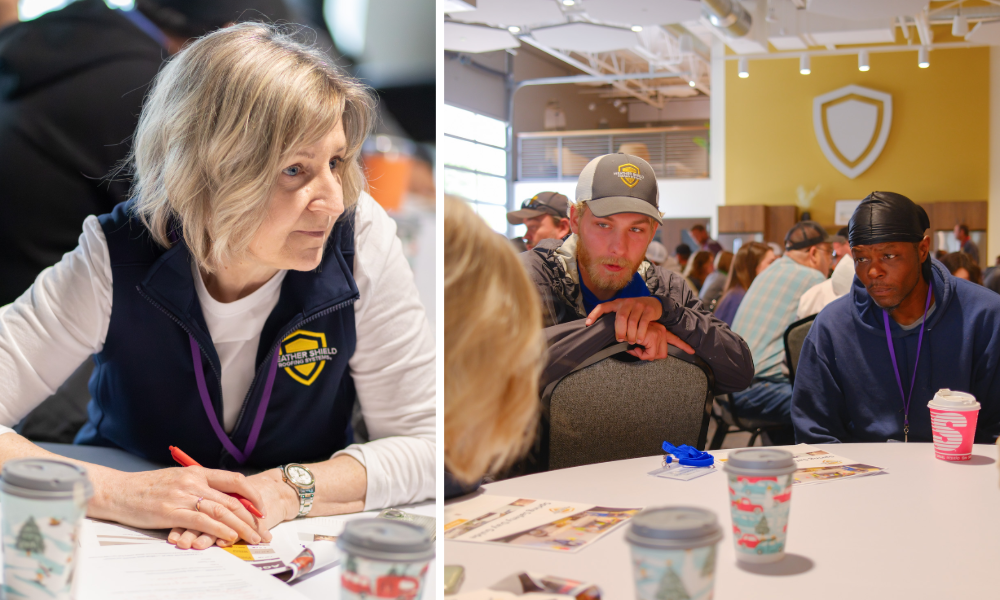
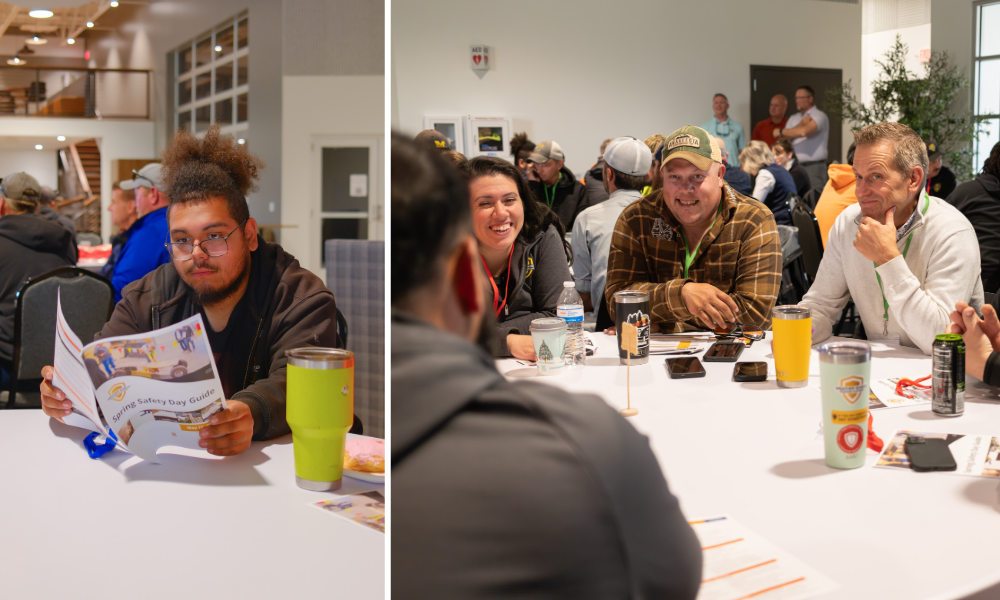
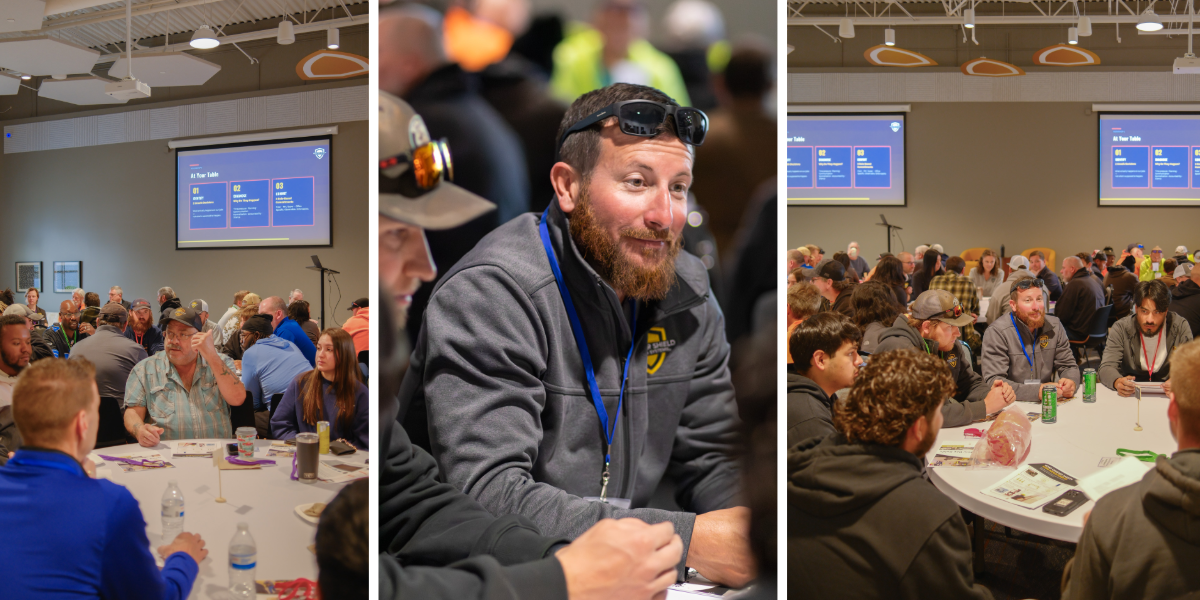
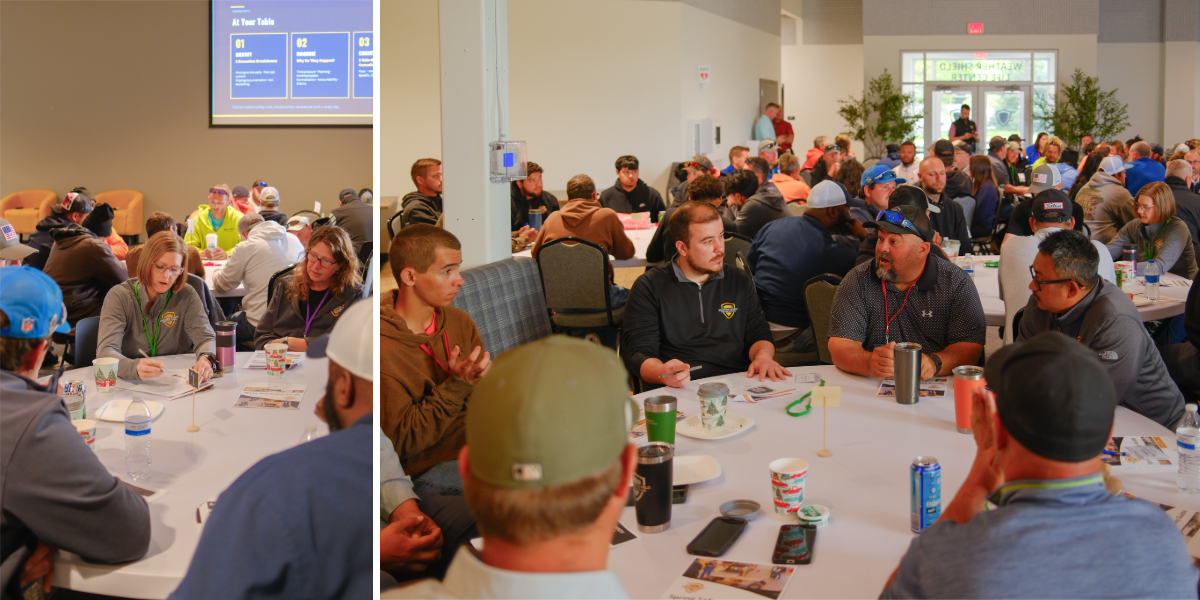
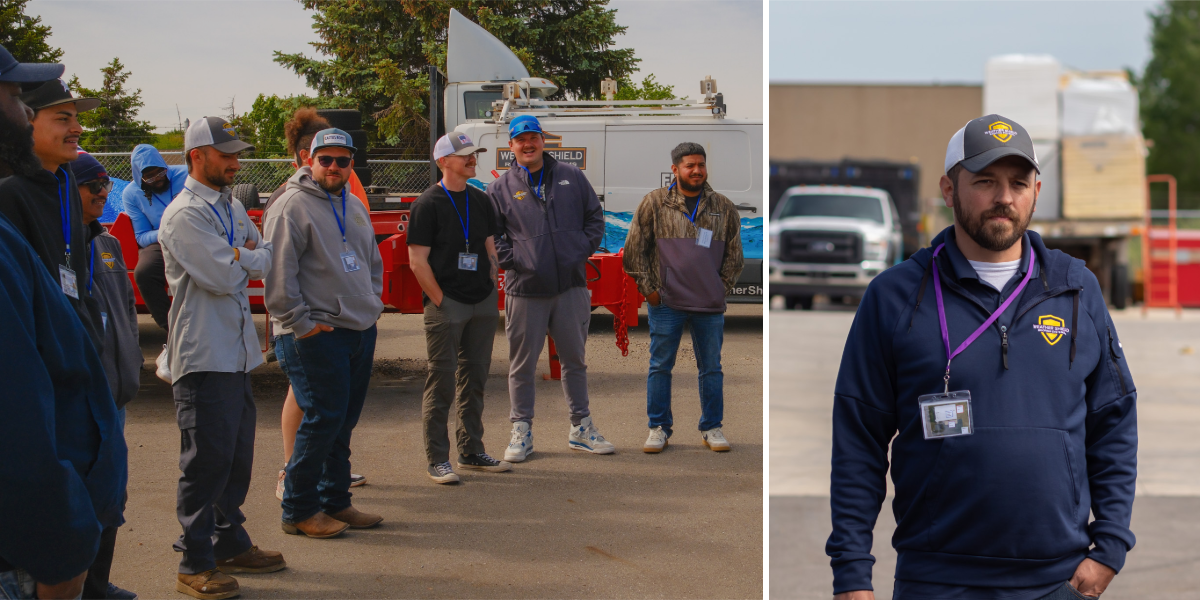
Our goal is to create a culture where the standard stays high no matter who is watching. We held group discussions at each table, allowing field staff and office staff to openly discuss areas of improvement and what we can each do to contribute to our culture of safety.
Safety Day Stations
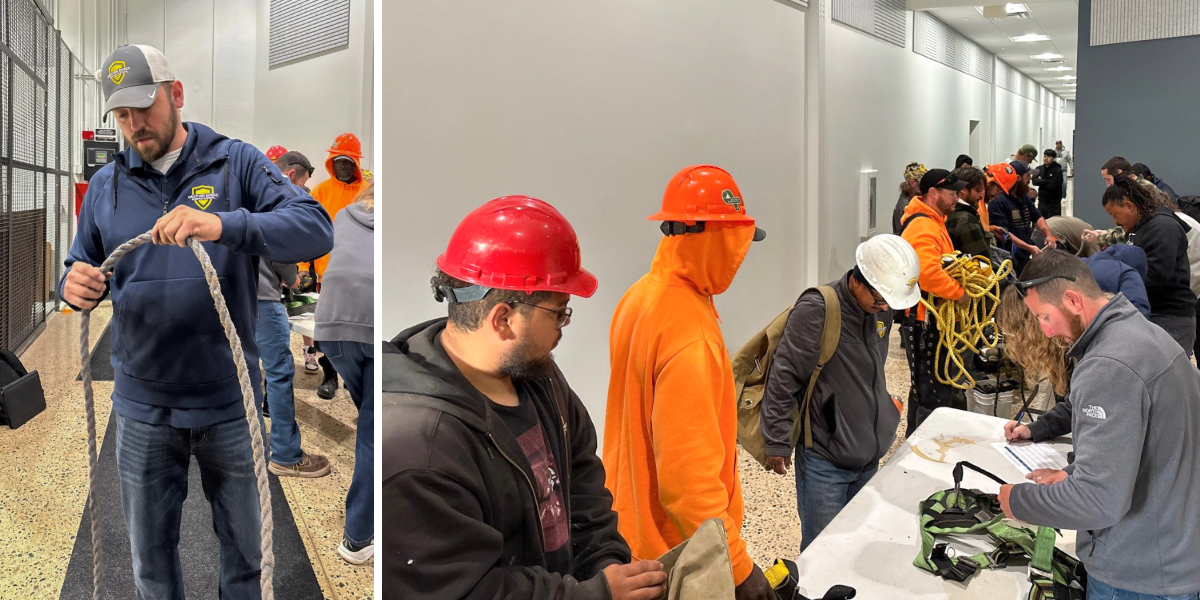
This year’s Safety Day included multiple training stations that focused on real-world commercial roofing scenarios our teams may encounter on active job-sites.
Each station was designed to reinforce practical decision-making, emergency preparedness, and job-site accountability.
Station 1: Fire Safety and Prevention Training
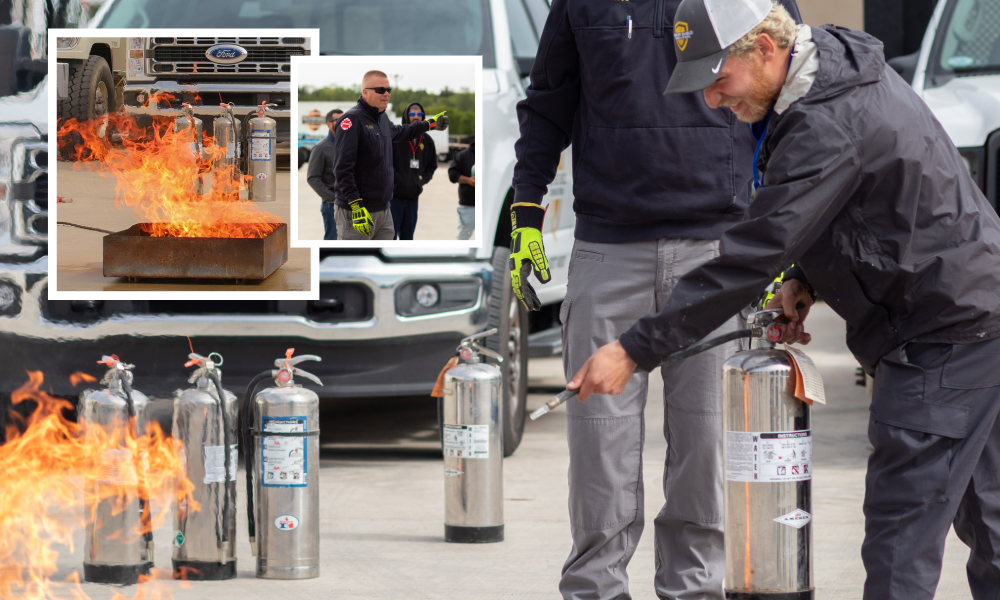
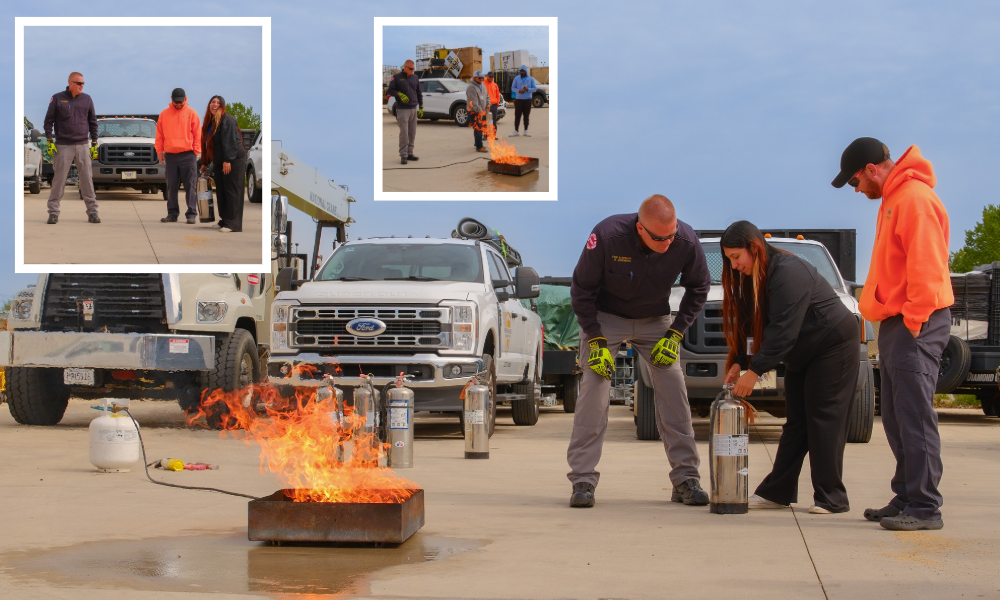
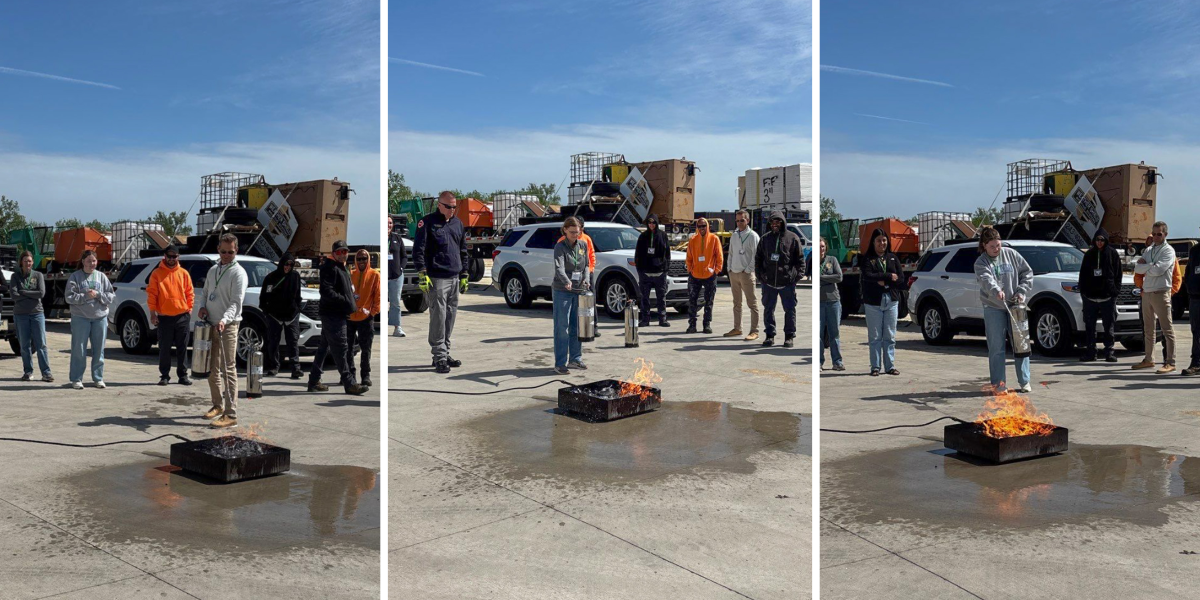
The first station focused on fire safety and emergency response procedures for roofing job-sites.
Teams reviewed the “R-A-C” process:
- Raise the alarm
- Activate emergency response
- Clear the area
One of the most important lessons from this station was simple: Warn people first.
Too often, people instinctively react by trying to fix the problem immediately. But in a fire emergency, seconds matter, and communication saves lives.
Our teams also reviewed:
- Fire extinguisher usage
- The PASS technique
- Evacuation procedures
- Assembly area accountability
- OSHA fire safety standards
Commercial roofing often involves heat-producing equipment and rooftop materials that can create serious fire risks. That’s why training for these situations ahead of time matters so much. Shoutout to the Wyoming Fire Marshal for hosting hands-on fire extinguisher training for all of our staff!
Station 2: Emergency Response and CPR Training
The second station focused on emergency response situations including falls, suspension trauma, CPR, cuts, lacerations, and heat-related illness.
Roofing crews work in physically demanding environments, especially during warmer months. Teams discussed how quickly heat exhaustion or heat stroke can escalate if workers fail to recognize symptoms early enough.
We also walked through proper response procedures for:
- Fall incidents
- Immobile workers
- Severe bleeding
- Tourniquet application
- CPR response
- AED usage
One of the biggest takeaways from this station was preparedness. The best emergency response plans are established before an emergency ever happens.
That means having the right equipment onsite, making sure rescue plans exist before elevated work begins, and ensuring crews know exactly how to respond under pressure.
Station 3: Controlled Access Zones + Safety Signage
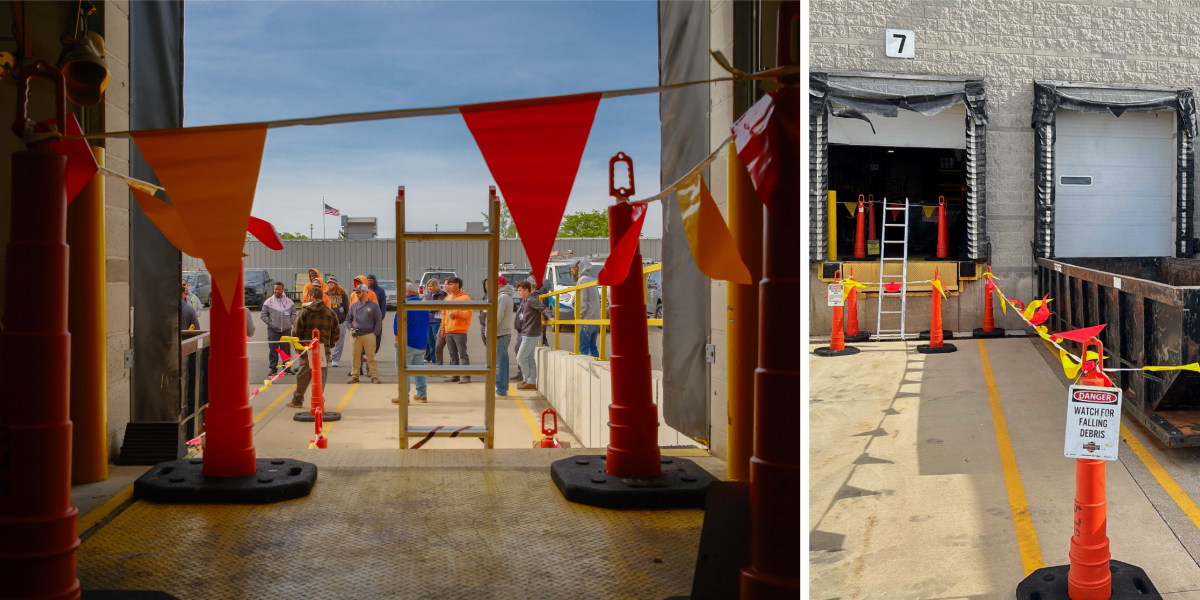
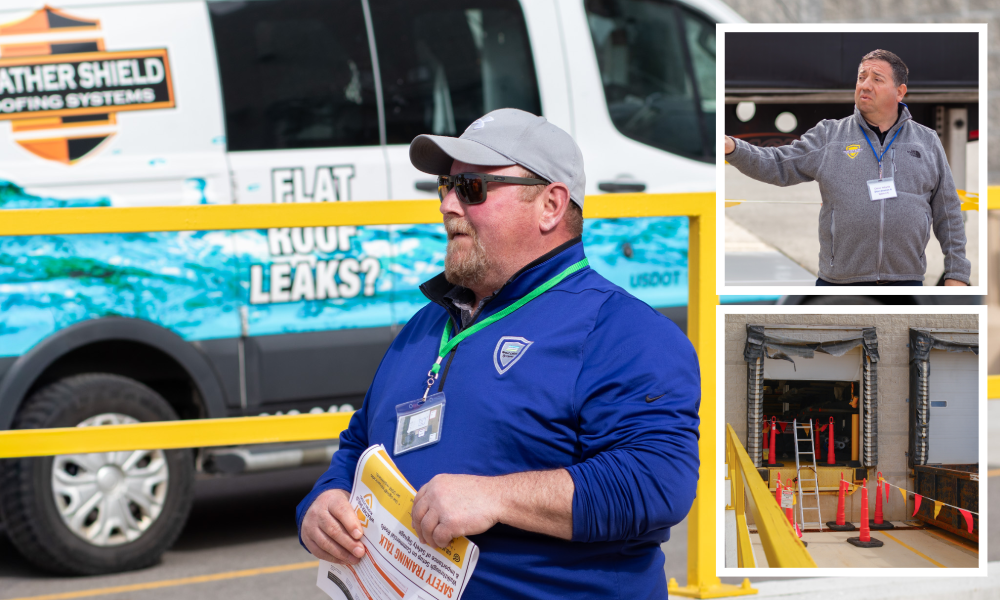
The third station focused on controlled access zones, warning lines, safety signage, and rooftop walkthrough procedures.
This training covered OSHA requirements related to:
- Fall hazards
- Roof access control
- Barricades and signage
- Controlled access zones
- Housekeeping standards
- Rooftop hazard awareness
One thing I reminded the team throughout the day is that safety starts before roofing work begins. Planning matters. Communication matters. Job-site organization matters.
When crews set job-sites up properly, everyone benefits, including our customers.
Station 4: Fall Protection and Rescue Planning
The final station focused heavily on fall protection systems, equipment inspections, rescue planning, and rooftop hazard awareness.
Teams reviewed:
- OSHA fall protection requirements
- Harness inspections
- Ladder safety
- Anchor systems
- Lanyards and SRLs
- Roof hazard awareness
- Suspension trauma response
- Rescue planning procedures
Fall protection can never become routine or rushed in commercial roofing. Every harness, ladder, anchor point, and tie-off decision matters.
We also talked about rescue planning and why every elevated roofing project needs a written emergency response plan before work begins. If a fall happens, response time matters. Preparation matters.
Why Does Safety Matter to Our Customers?
A lot of people think safety only affects roofing crews.
That’s not true.
Safety directly affects project quality, roof performance, communication, scheduling, and customer experience.
During our discussions, we talked openly about how shortcuts create bigger problems later. Roof leaks, rework, service calls, delays, and customer disruptions often trace back to rushed decisions or poor communication somewhere during the project.
That’s why I believe safety and execution are really the same thing.
Both come down to doing the right thing even when nobody is watching.
When our teams stay disciplined, communicate clearly, and follow the right processes, customers benefit from:
- Better commercial roofing quality
- Fewer roof leaks
- Better long-term roof performance
- More organized job-sites
- Fewer disruptions
- Better accountability
- Stronger roof investment protection
The Standard We Hold Ourselves To
At the end of Safety Day, I challenged our team with one question:
“What standard will you hold next week and every day after that?”
Because ultimately, Safety Day only matters if behavior changes afterward.
The truth is, nobody knows which day will be the day safety matters most. Just like the parachute packer in the Charlie Plumb story, every employee makes decisions every day that protect someone else.
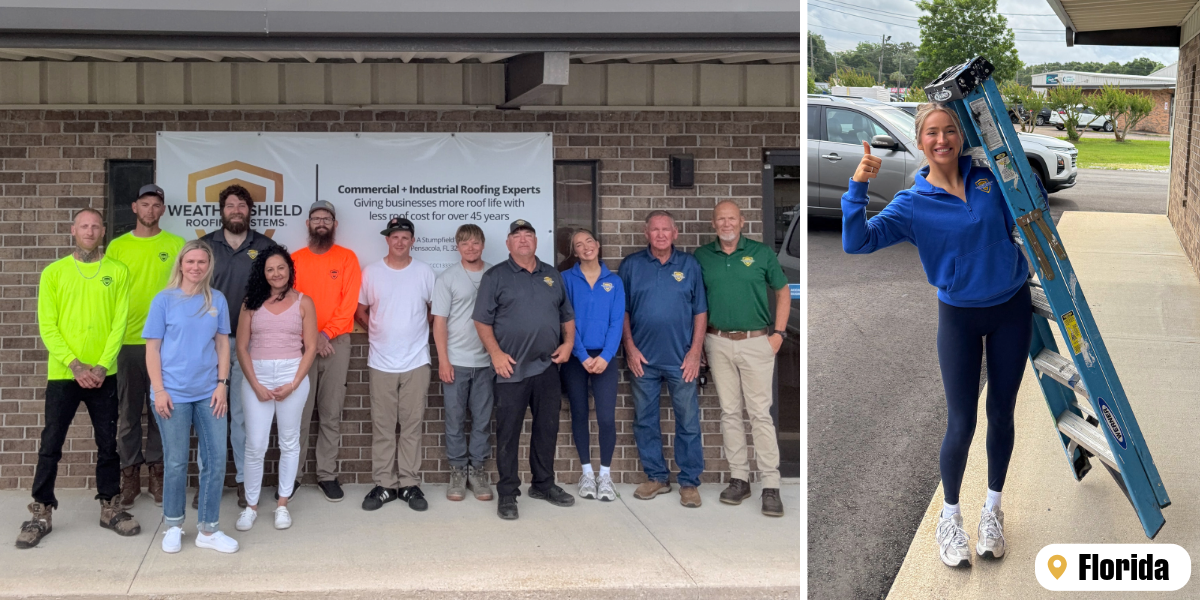
That’s the culture we’re continuing to build at Weather Shield Roofing Systems.
One where safety is not about enforcement alone. It’s about protecting each other, doing quality work, communicating clearly, and taking pride in doing things the right way every time.
If you’d like to learn more about our approach to commercial roofing safety, roof maintenance, roof inspections, or long-term roof asset protection, our team is always here to help.
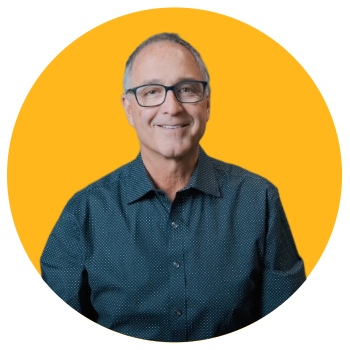
Jim Bush
CEO + Visionary
Jim Bush is the CEO and Visionary of Weather Shield Roofing Systems, one of the fastest-growing commercial roofing companies in the U.S. A lifelong entrepreneur, Jim founded his first company at age 19 and has since led multiple successful ventures across manufacturing, distribution, and banking. Guided by his faith, Jim is passionate about serving, leading, teaching, and inspiring others to reach their full potential. His mission is to practice and teach business as a blessing.